

Pesticide Free Rice Exporter from India
Indiafeast Millers Private Limited is a pesticide free rice exporter from India for buyers who cannot afford a residue problem at the border. We supply basmati and non-basmati rice in lots that are tested against the limits of your market, EU, UK or USA, with the lab report in your inbox before the container is loaded. The rice is processed at the Indiafeast rice processing unit in Taraori, Karnal, and shipped to importers, distributors and wholesalers in bulk or under their own label.




Twelve rice varieties, tested lot by lot
Every grade below can be supplied as residue-tested rice for strict markets. Pesticide free basmati rice is our most asked-for line in Europe and the UK, while Sona Masoori and IR64 lead for buyers in the USA and Canada. Switch between basmati and non-basmati to see the range; the limits we test against depend on where your container is going, not on the variety.

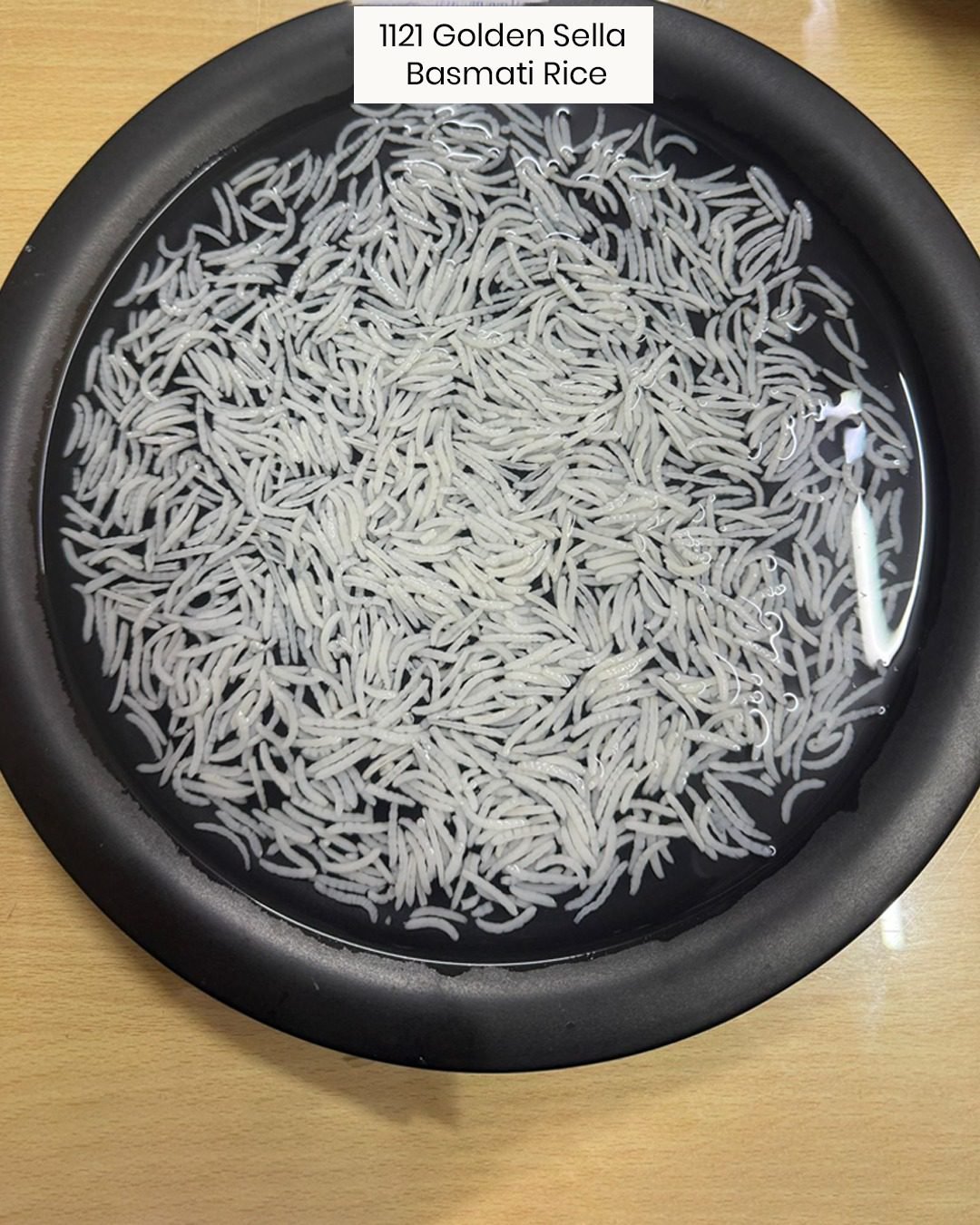
1121 Basmati Rice
The extra-long grain the Gulf and Europe know best. Offered as raw, steam or sella from lots set aside and tested for EU and UK residue limits, our best-selling EU compliant basmati rice.

1401 Basmati Rice
Long, slender and strongly aromatic. A good fit for retail packs where the buyer's own brand is on the bag and a clean residue report matters.

1509 Basmati Rice
Extra-long grain at a sharper price. For EU buyers we source 1509 with care, since growers often spray it against blast disease.

1718 Basmati Rice
Bred from 1121 with built-in resistance to bacterial blight, so it needs less crop protection in the field. That makes clean lots easier to find.

PUSA Basmati Rice
A dependable long grain for wholesalers who need steady volume. Lots for Europe and the USA are tested before we confirm the shipment.

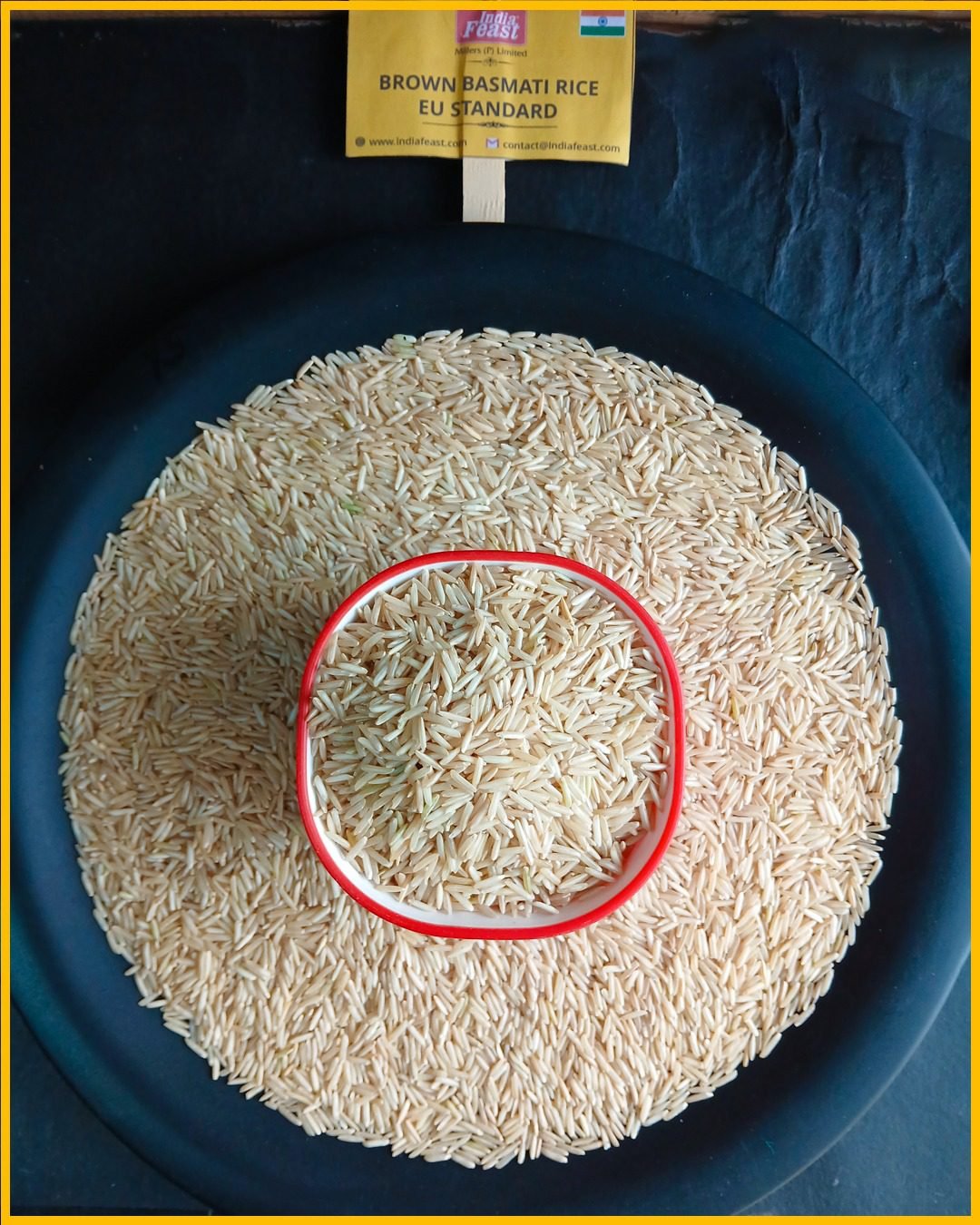
Brown Basmati Rice
Only the husk comes off, so the bran stays on. Because residues tend to sit in the outer layers, brown rice is the grade where testing matters most.
Long Grain Rice (IR64)
Slender IR64 in white or parboiled, 5% to 25% broken. The volume grain for importers who still want a residue report on every lot.
Sona Masoori Rice
Light, low-starch and mildly fragrant, cooked daily in South Indian homes abroad. Popular with USA and UK retailers who ask for tested lots.
Sugandha Rice
The most fragrant grain in our non-basmati range, about 8 mm long. Sugandha sella gives a basmati-like plate for a lower price per ton.
Sharbati Rice
Long and slim with a faint aroma, for buyers who want length on the plate without paying for basmati.
Brown Non-Basmati Rice
Long, medium or round grain with the bran left on. Nutty, chewy and high in fibre, tested lot by lot for health and wholefood shelves.
Need a grade that is not listed? Tell us the variety, finish and broken % plus the destination, and we will tell you straight away whether we can supply it as tested, residue-free rice.
Send your specification →EU and USA residue norms, explained simply
Europe and the United States treat pesticide residues in rice very differently, and a lot that passes in one can fail in the other. Here is how each system works, the points where Indian rice most often runs into trouble, and what we do about it as a pesticide free rice exporter from India. We keep this summary short and point to the official sources below, so you can check every line yourself.
European Union & UK
Maximum residue levels (MRLs)- Law
- Regulation (EC) No 396/2005 sets a maximum residue level (MRL) for each pesticide in each food, including rice.
- Default limit
- Where no specific MRL exists, the default of 0.01 mg/kg applies, which in practice means "not detectable".
- Rice watch-point
- The MRL for tricyclazole, a fungicide used against rice blast, was cut to 0.01 mg/kg in 2018. It is the residue that most often decides whether Indian basmati can go to Europe.
- Before shipping
- Since November 2017 APEDA requires pre-shipment residue testing of basmati for the EU at an NABL-accredited lab, linked to the export registration (RCAC).
- At the border
- Member states test imports and report problems through the RASFF alert system. A failed lot can be rejected, destroyed or sent back.
United States
EPA tolerances, FDA checks- Law
- The US EPA sets pesticide tolerances for each crop, published in 40 CFR Part 180. The FDA enforces them on imported food.
- No tolerance, no entry
- If a pesticide has no US tolerance on rice, any detectable residue makes the lot violative. Some sprays used in Asia have none.
- At the border
- FDA samples imports and can place a supplier on Import Alert 99-08, after which its shipments are detained without examination.
- Importer duty
- Under the FSMA Foreign Supplier Verification Program, the US importer must show it has checked its supplier, so residue reports are part of the file.
- Our approach
- We test against the US tolerance list for your grade and flag any molecule that has no US tolerance before the lot is offered.
Shipping somewhere else? The UK now keeps its own MRL list, close to the EU one. GCC countries and many others follow GSO standards or Codex limits. Tell us the destination and we will test against that list, so EU compliant basmati rice and USA-ready rice are planned from the first sample.
Conventional, pesticide free or organic: what is the difference?
| Conventional export rice | Pesticide free rice (residue-tested) | Certified organic rice | |
|---|---|---|---|
| How it is defined | No residue standard beyond India's own limits | Lab result within the destination market's MRLs, usually below quantification | Grown to organic farming rules and certified |
| Proof you get | Quality certificate | Multi-residue lab report tied to the lot number | Organic certificate plus transaction certificate |
| Best suited to | Price-led markets with standard checks | EU, UK, USA and retailers with strict residue policies | Organic shelves and brands |
| Price level | Lowest | A modest premium for selection and testing | Highest, with limited volumes |

Written by the Indiafeast export team and reviewed by Mohd Rizwan, Founder & CEO, Indiafeast Millers Private Limited. Rules change, so we check them against the official sources before each season.
Where your rice is cleaned, milled and packed
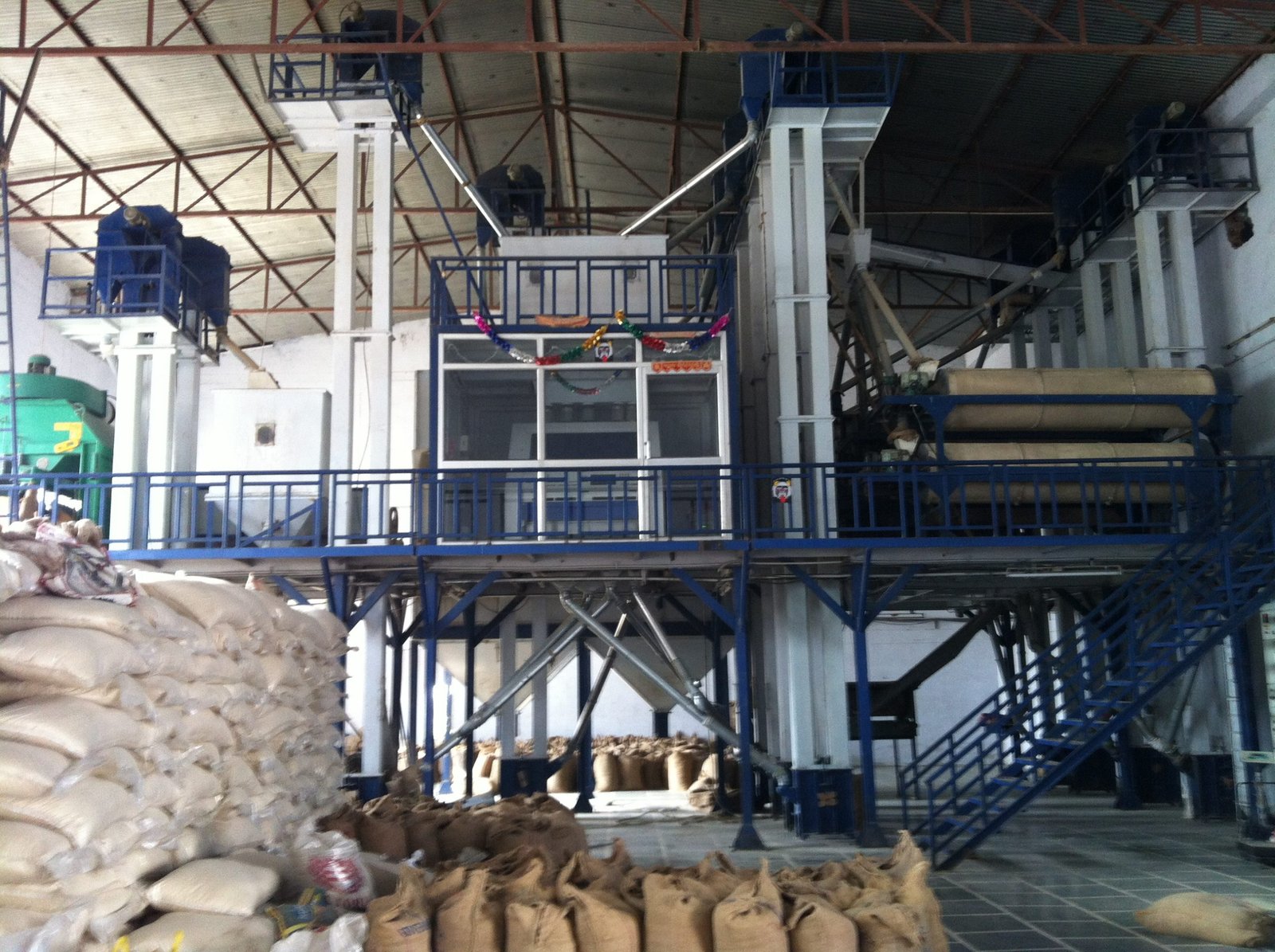
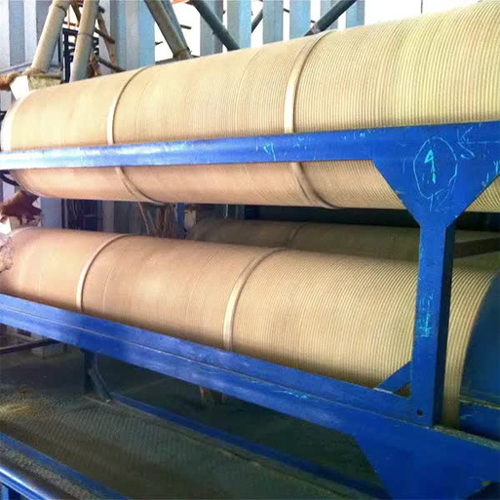
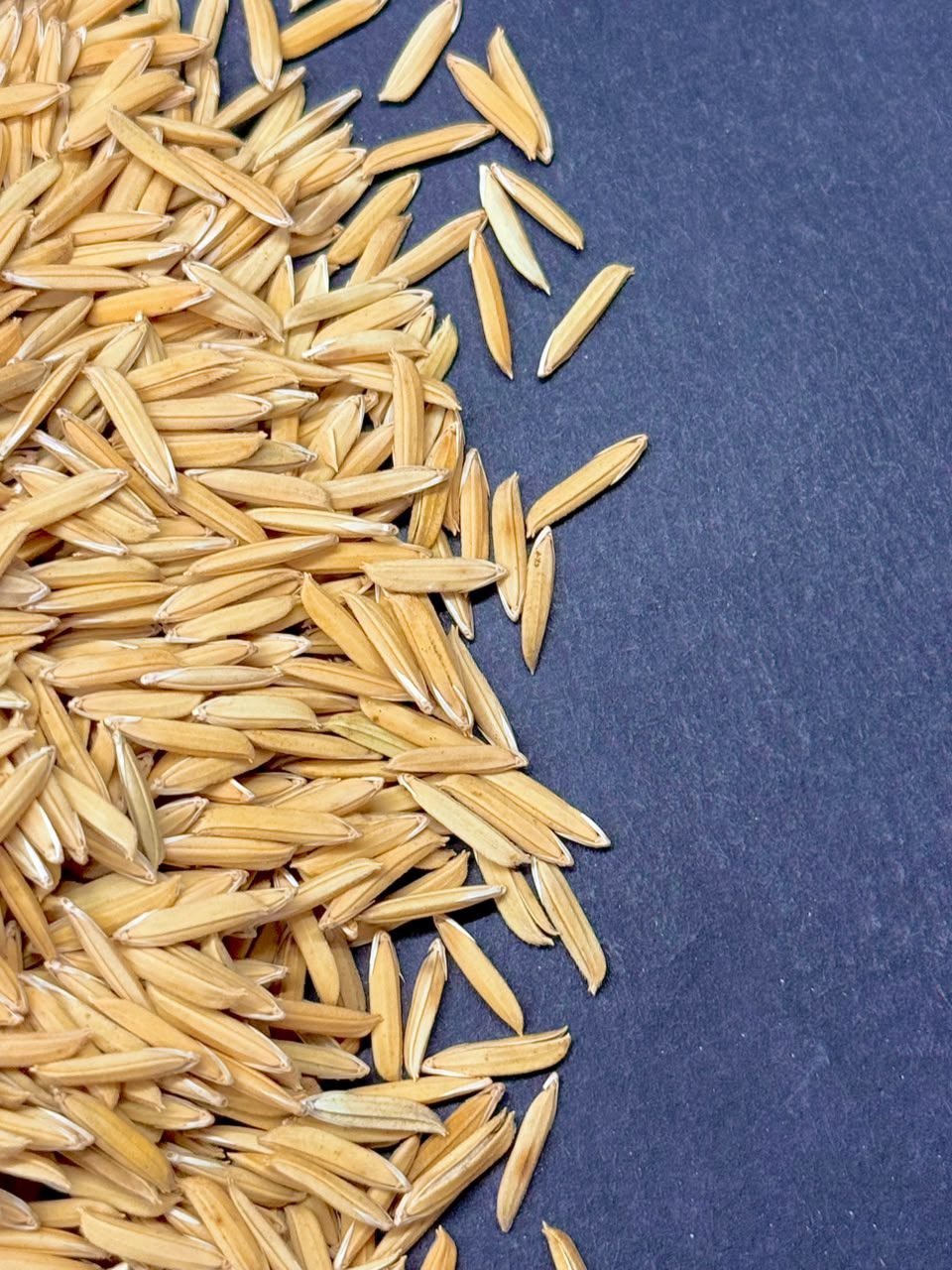
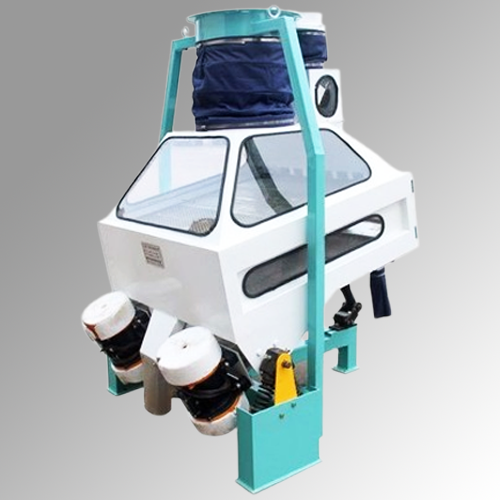
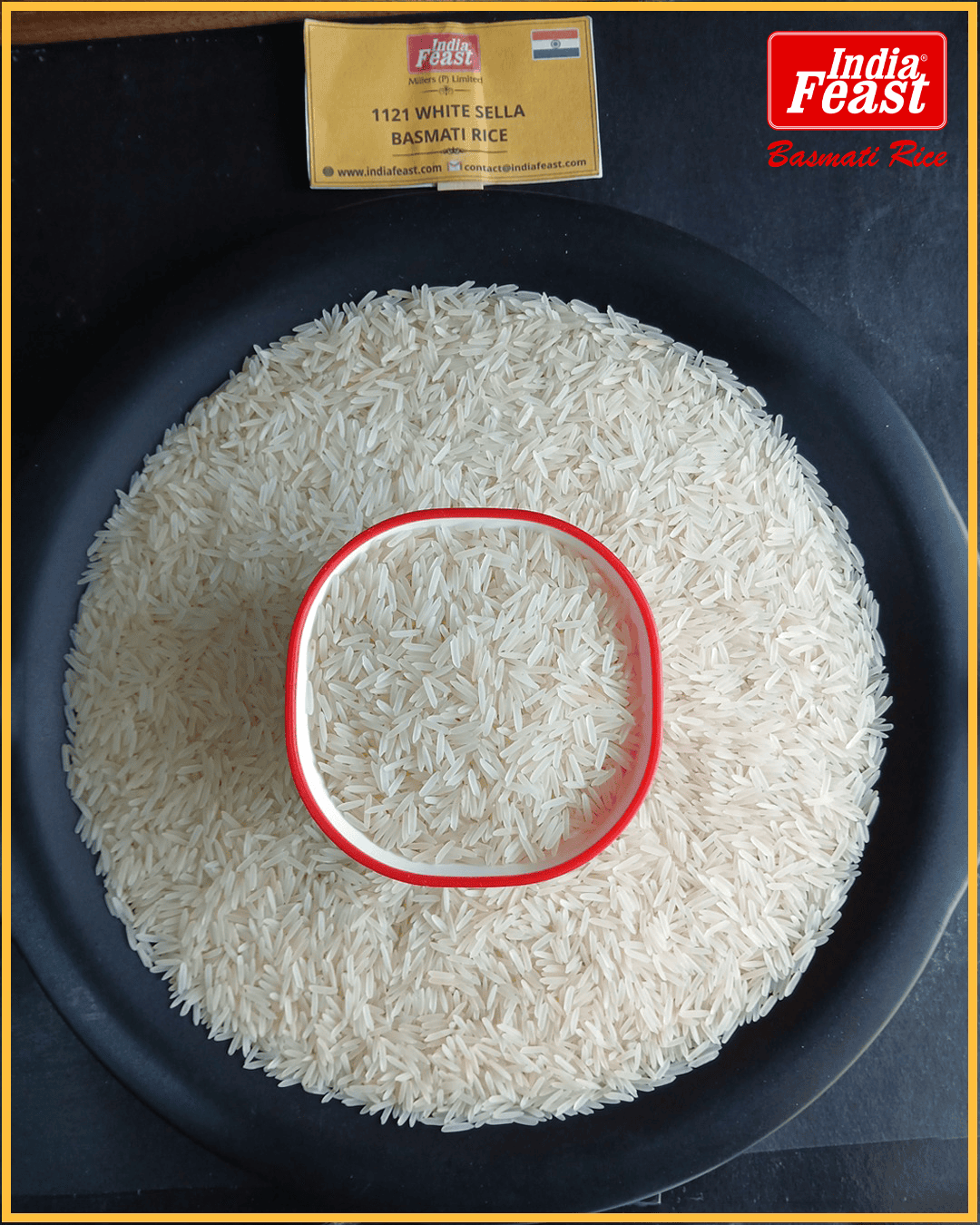
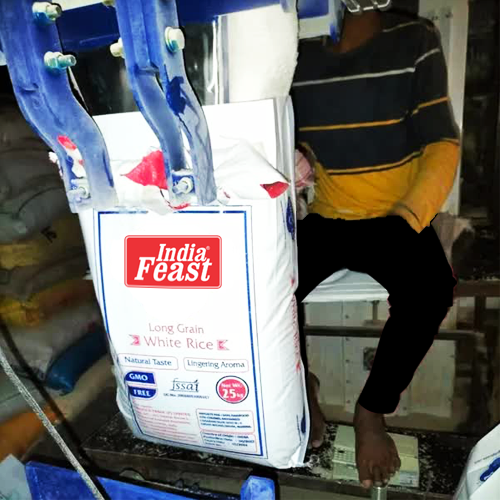
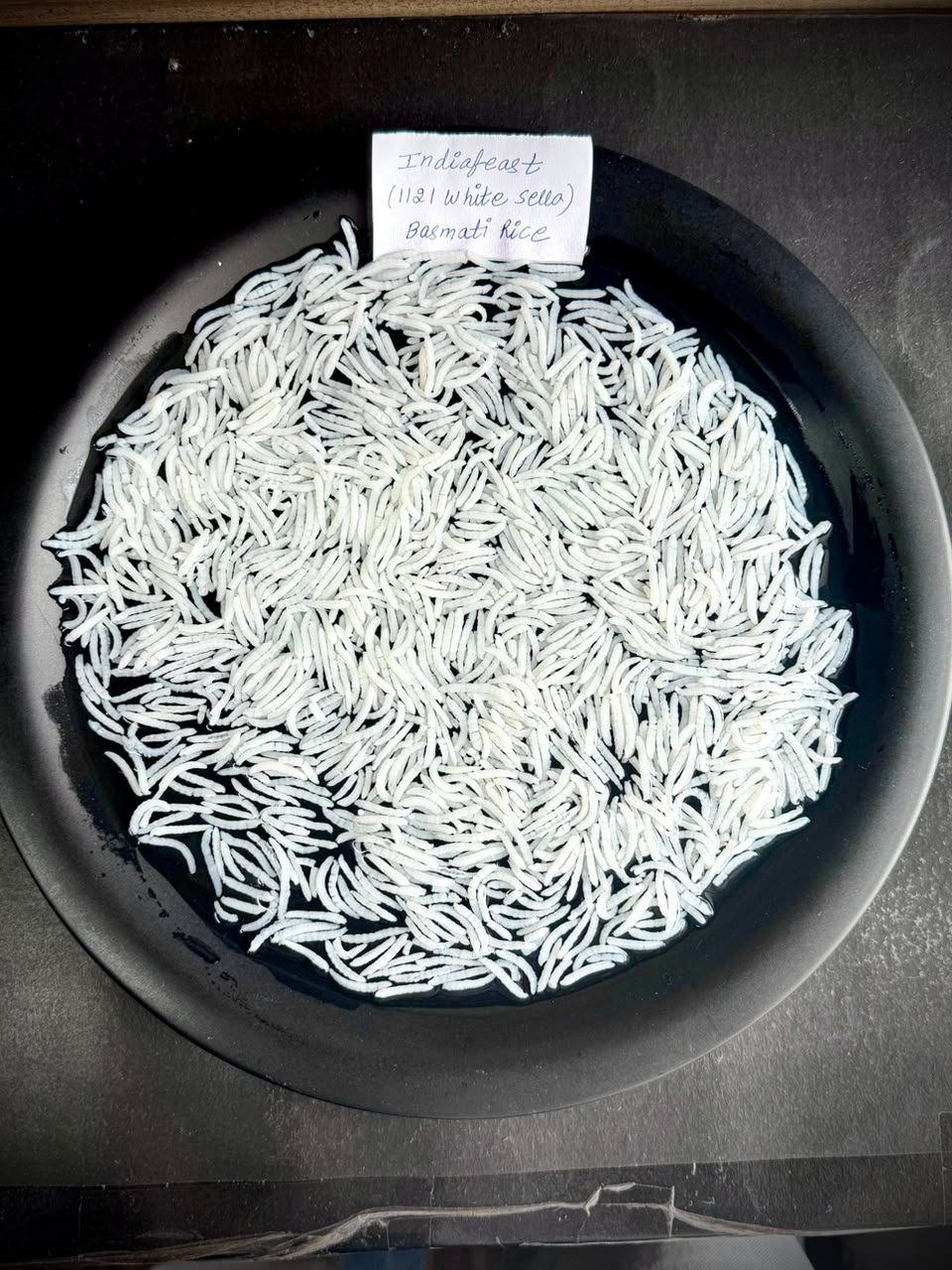
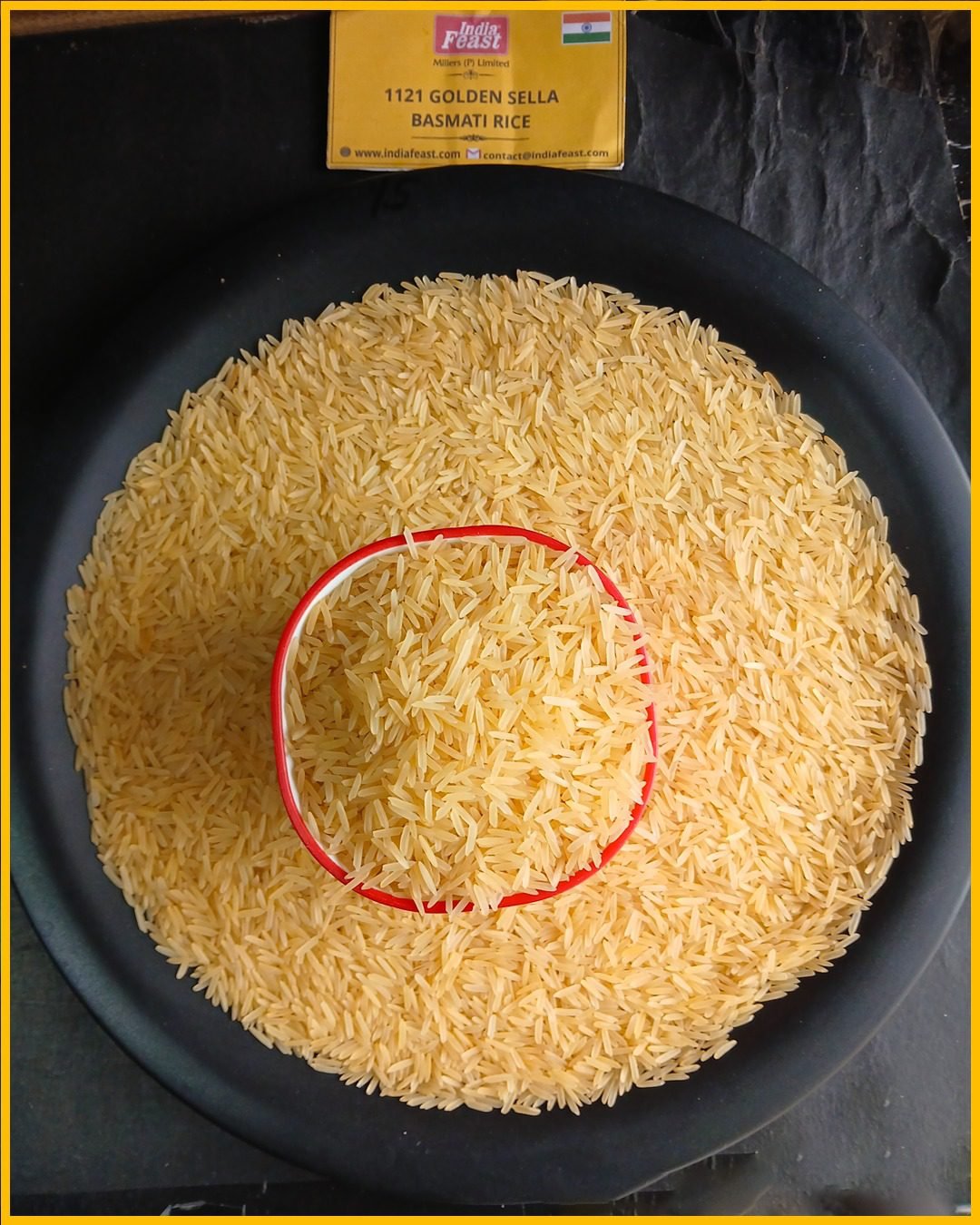
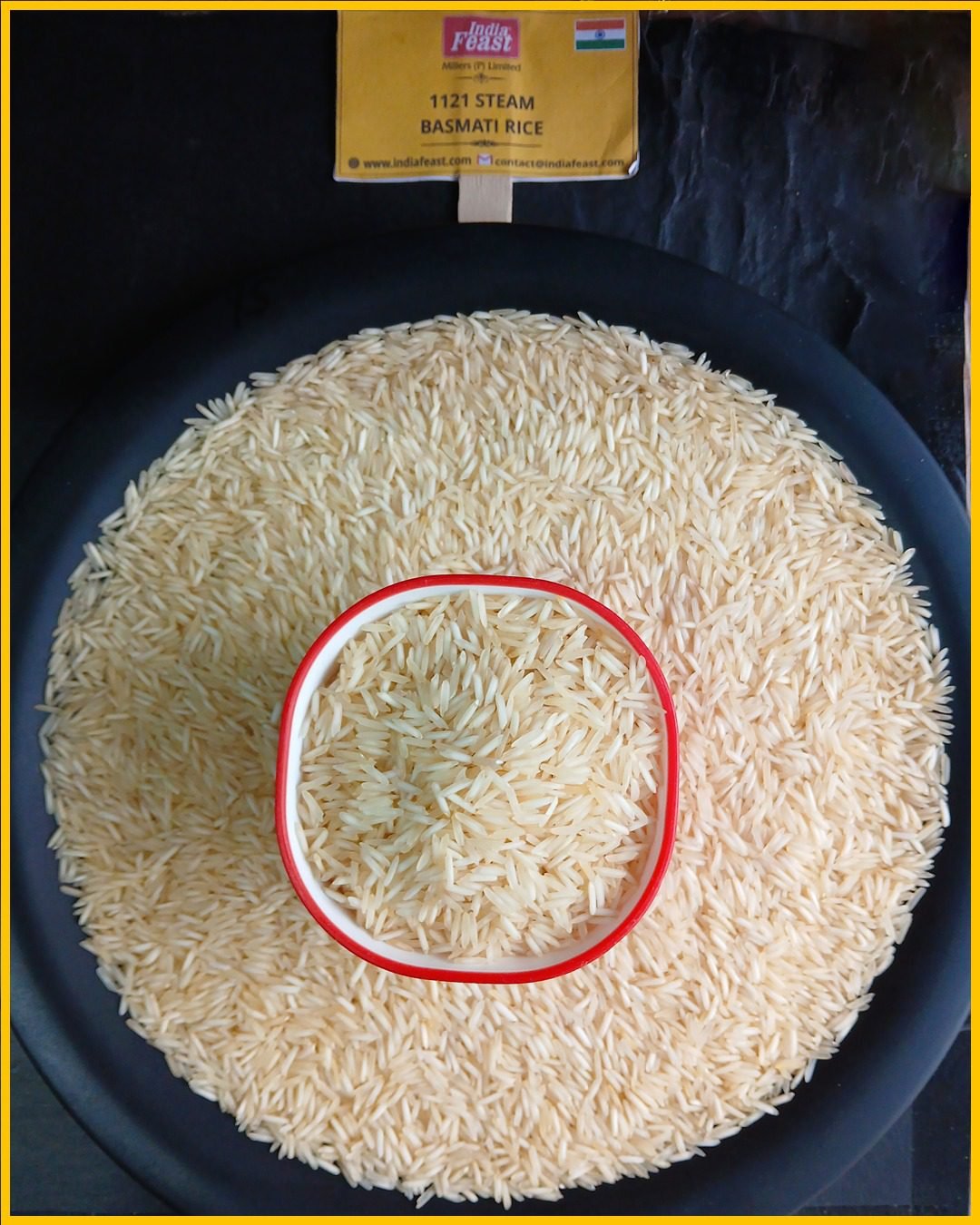
These are real photos from the Indiafeast rice processing unit in Taraori, Karnal, in Haryana's basmati belt, followed by the grains that come out at the end. Tested lots run through the same cleaning, de-stoning, milling, grading and Sortex sorting as the rest of our export rice, but they are kept apart from start to finish, with their own lot number on every bag. That is how a pesticide free rice exporter from India keeps a clean report traceable to the bag on your shelf.







Tested in India, shipped to your port
For residue-tested rice the paperwork matters as much as the grain. As your pesticide free rice supplier we book the container, stuff and seal it, clear it through the Indian port and send every document your customs and your own buyers will ask for, including the residue report and, for basmati to Europe, the APEDA registration that goes with it.

Loading ports in India
We choose the loading port by freight rate and sailing schedule to your destination, so bulk lots move at the lowest landed cost.
- MundraGujarat
- KandlaGujarat
- Nhava ShevaMaharashtra
- ChennaiTamil Nadu
- KolkataWest Bengal
FOB, CNF or CIF: who covers what
Price-led buyers often compare FOB offers and book their own freight; CNF and CIF suit buyers who want one price delivered to their port.
Documents with every shipment
- Invoice and packing list
- Bill of lading (B/L)
- Certificate of origin
- Phytosanitary certificate
- Fumigation certificate
- Pesticide residue test report
- Lab analysis / quality certificate
- APEDA RCAC for basmati to the EU
- Halal certificate if needed
- Inspection by SGS or your agency, if needed
Payment options
- 💵Advance (TT)A bank transfer before loading, in full or as a deposit with the balance against documents.
- 🏦Letter of creditPayment is released by your bank when our shipping documents meet the LC conditions.
- 🛡️SBLCYour bank issues a standby letter of credit that secures the payment for the order.
Packed your way, traced to the lot
Pesticide free basmati rice and non-basmati rice is packed in fresh, food-grade bags and every bag carries its lot number, so the residue report can always be matched to the rice on the shelf. Choose bulk bags for repacking, or retail packs with your own brand for EU, UK and US supermarkets. Tap a bag to see its specs.
 Private label
Put your brand on the bag
Sell pesticide free basmati rice or Sona Masoori under your own name. Send your artwork or let us help with it; we print it on retail or bulk bags, add your barcode and importer details, and keep the grade identical in every shipment.
Start your private labelWhat we print on every bag
Bag marking is agreed with you before packing, so customs and your buyers see the right details.
- Variety, grade & broken %
- Crop year
- Net & gross weight
- Lot number linked to the lab report
- Packing & best-before date
- Importer name & address
- Your language & barcode
+ Other bag sizes made to order
Our rice brands
Sell our ready brands, or put your own name on the same rice.


See us at international food fairs
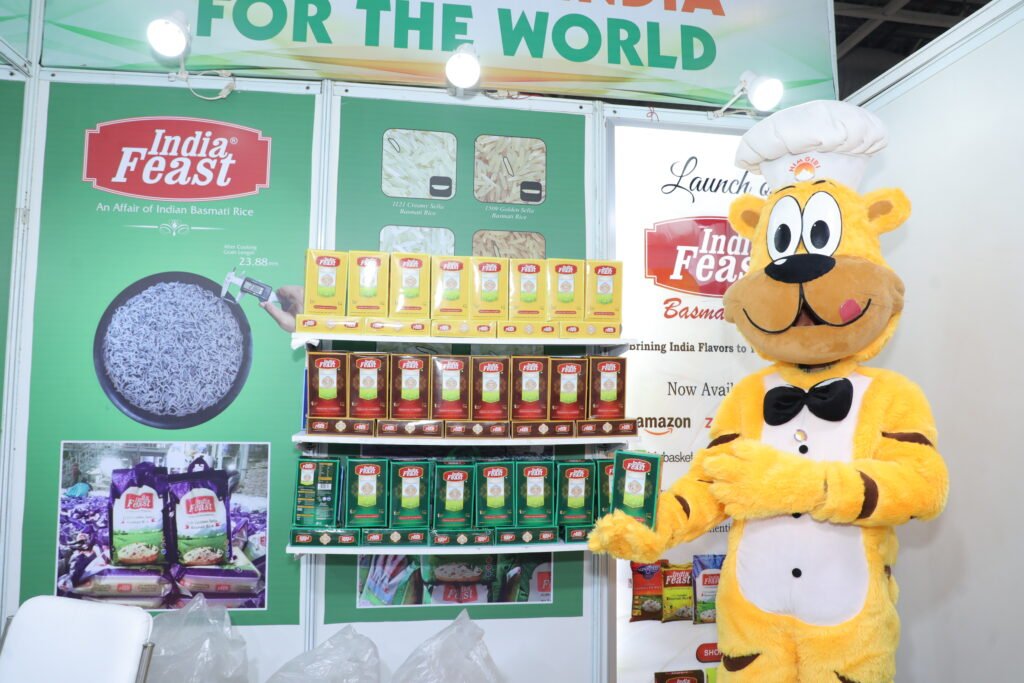
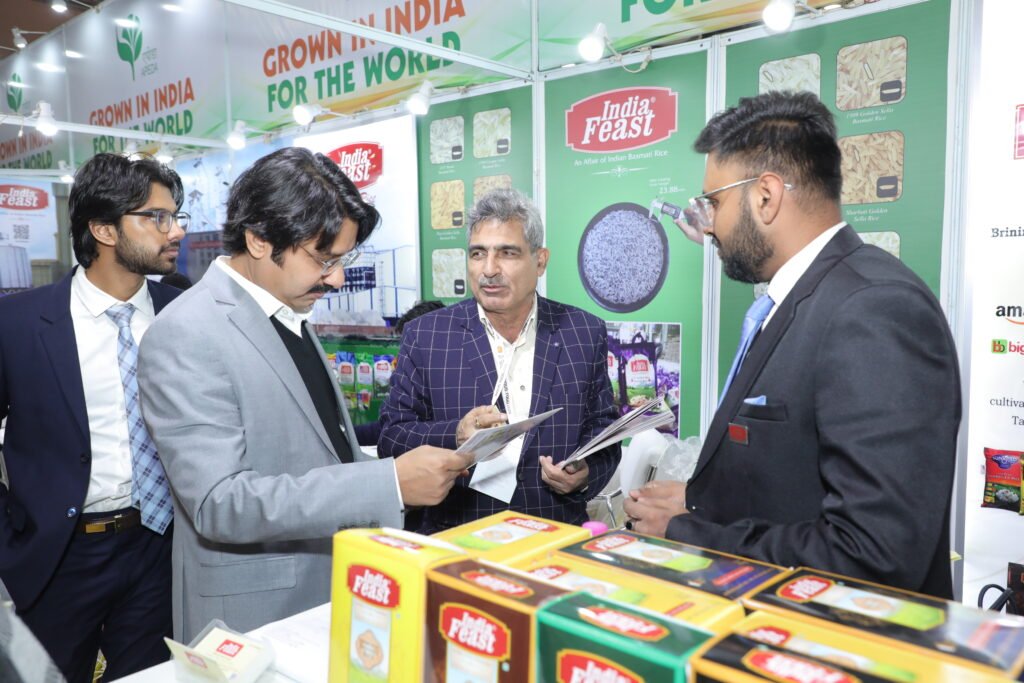
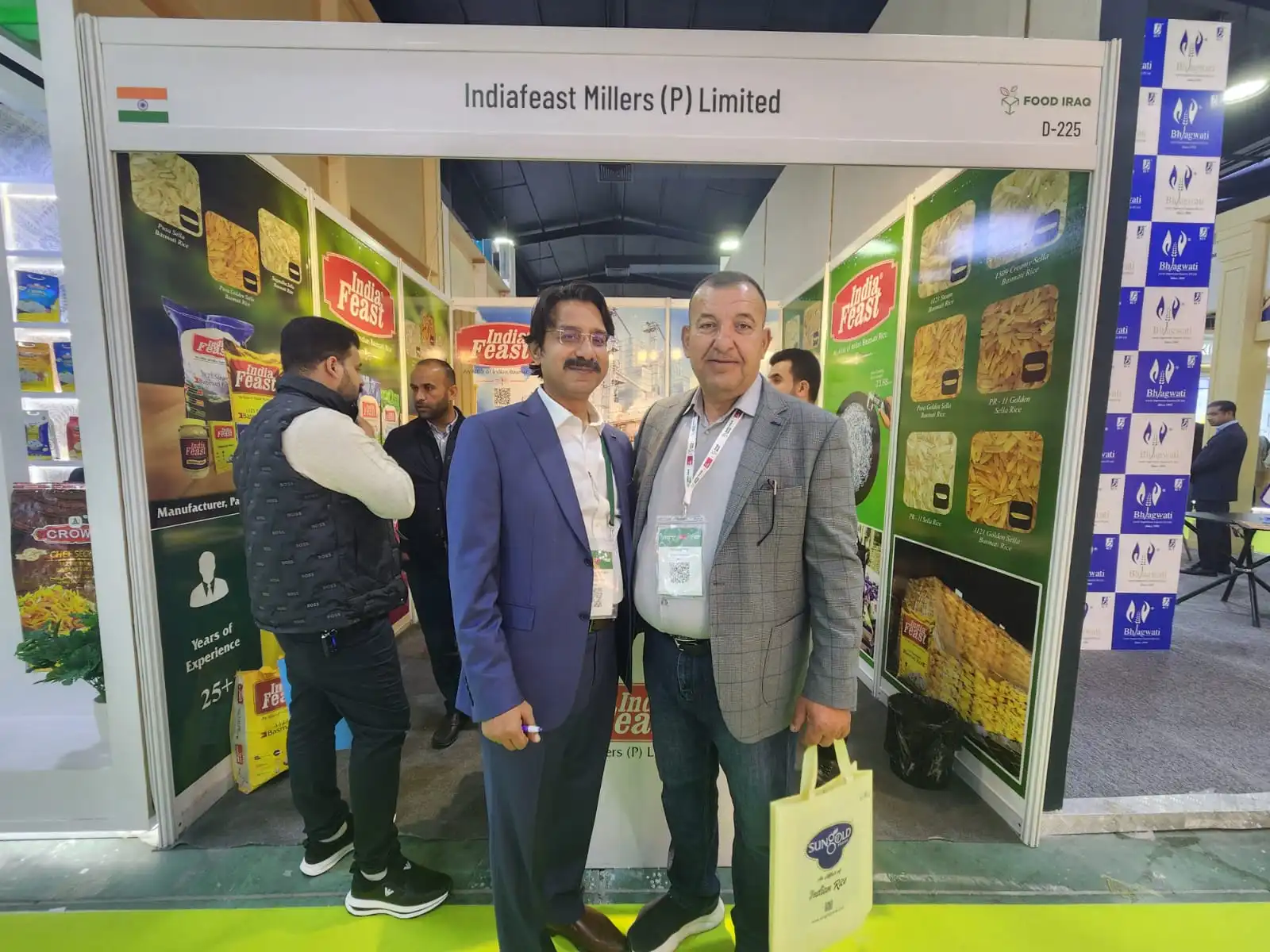
Plenty of buyers first meet their rice supplier across a table at a food fair, and many of ours did at our stand. We bring basmati and non-basmati grades, bag samples and price sheets. Ask us about pesticide free basmati rice and residue-tested non-basmati lots there: we are happy to talk through the norms of your market face to face.
- 🏟️Saudi Food Show 2026Riyadh, Saudi Arabia
- 🌐Gulfood 2026Dubai, UAE
- 🌾Indus Food 2025Greater Noida, India
- 🤝AgroPack Food 2024Iraq




Why importers trust us with residue-sensitive markets
A failed residue test can cost an importer the container, the customer and sometimes the licence. That is why we would rather turn down an order than ship a lot we are not sure of. Mohd Rizwan started Indiafeast Millers in 2021 and still runs the export desk himself, so the person who promises the result is the one who answers for it.
Tested before you pay
You see the residue report for your lot before loading, not after the rice reaches your port.
Limits from your market
We test against the MRL list of your destination, EU, UK, USA or GCC, and say clearly if a grade cannot meet it.
Lot numbers that trace back
Each bag carries a lot number that links to the paddy, the processing date and the lab report.
Basmati and non-basmati
One pesticide free rice supplier for 1121, 1401 and brown basmati as well as IR64, Sona Masoori and PR11.
Your inspector is welcome
SGS, Intertek, Bureau Veritas or your own agency can draw samples at the unit or at loading.
One person, start to finish
One contact handles your quote, samples, reports and documents, and replies within a working day.
Registered, certified and open to audit
Rice buyers in the Middle East, Africa, Europe and Asia work with Indiafeast Millers, and those with strict residue rules ask for tested lots on every order. Our registrations and food safety systems are the base that a pesticide free rice exporter from India is built on.
Food safety & export registrations
These cover food safety, hygiene and export compliance. Residue reports are issued per lot by accredited labs, and copies of every certificate are shared with buyers on request.
 APEDARegistered rice exporter
 FSSAIFood safety licence
 FSMSFood safety management
 HACCPHazard control at every step
 GMPGood manufacturing practice
 HalalFor Gulf & Muslim markets
 FIEOFederation of Indian Export Organisations
 D-U-N-SVerified business identity