

Non-Basmati Rice Exporter from India
Indiafeast Millers Private Limited is a non-basmati rice exporter from India shipping IR64, PR11, Sona Masoori, Sharbati and Sugandha rice by the container to importers, distributors and wholesalers. You choose the grain, the finish and the broken grade. We mill it to that spec at the Indiafeast rice processing unit in Taraori and load it at the port that gets it to you at the lowest freight.




Eight non-basmati varieties, one supplier
Most buyers start with one variety and add a second within a year: usually a low-cost long grain for volume and an aromatic sella for margin. Here is the range in plain words, from white and parboiled long grain to whole-grain brown rice, with the typical grain length and the finishes each one comes in. As an IR64 non basmati rice exporter we move the most volume in long grain, but every variety below ships all year.
Long Grain Rice (IR64)
The workhorse. Slender, cooks separate and comes in every broken grade from 5% to 100%, white or parboiled. If you need volume at a sharp price, start here.
Medium Grain Rice
A little shorter and softer than IR64, and cheaper per ton. Schools, hospitals and value packs go through a lot of it.
Round Grain Rice
Short, round and soft on cooking, with a slight stickiness. Made for markets that like a round grain, and for puddings and porridge.
Sona Masoori Rice
Light, low in starch and mildly fragrant. South Indian kitchens at home and abroad cook it every day, raw or steamed.
Sharbati Rice
Long and slim with a faint natural aroma. Buyers who want length on the plate without the basmati price often settle on Sharbati.
Sugandha Rice
The most fragrant grain in our non-basmati range, around 8 mm long. Sugandha sella is as close to a basmati plate as you get without paying for basmati.
Brown Non-Basmati Rice
Only the husk comes off, so the bran stays on. Nutty, chewy and richer in fibre, in long, medium and round grain for health shelves and wholefood buyers.
Need 100% broken or pesticide-free rice?
Both ship by the container too. Tell us the grain, broken % and finish you need, and we'll match it or send samples of the nearest grade.
Send your specificationPesticide-free ricePick the right broken grade and finish
Here is something new buyers often miss: with non-basmati rice, the broken percentage can move the price as much as the variety. A 5% lot looks clean in a retail pack. A 25% lot cooks the same and saves you money per ton. And 100% broken goes to mills and kitchens that never needed whole grains. As a non basmati rice exporter, we grade every lot to the percentage written on your contract. Tap a grade to see what it is, how it cooks and who usually buys it.

5% broken white
- What it is
- Long grain white rice graded so that no more than 5% of the kernels are broken, then double polished and Sortex-cleaned.
- How it cooks
- Clean, even grains that cook separate and look premium on the plate.
- Best for
- Supermarket packs, hotels and buyers who sell on appearance.

25% broken white
- What it is
- The same long grain with up to a quarter broken kernels allowed in the lot, which brings the price per ton down.
- How it cooks
- Cooks and tastes like 5% broken, with shorter pieces mixed in.
- Best for
- Value retail, institutions, food programmes and price-led wholesale markets.
5% broken parboiled
- What it is
- Paddy is soaked, steamed and dried before milling, then graded to 5% broken. Parboiling gives the golden amber colour.
- How it cooks
- Firm grains that never turn mushy and stay good after reheating.
- Best for
- Catering kitchens, bulk cooking and markets in Africa and the Gulf that cook rice in large pots.
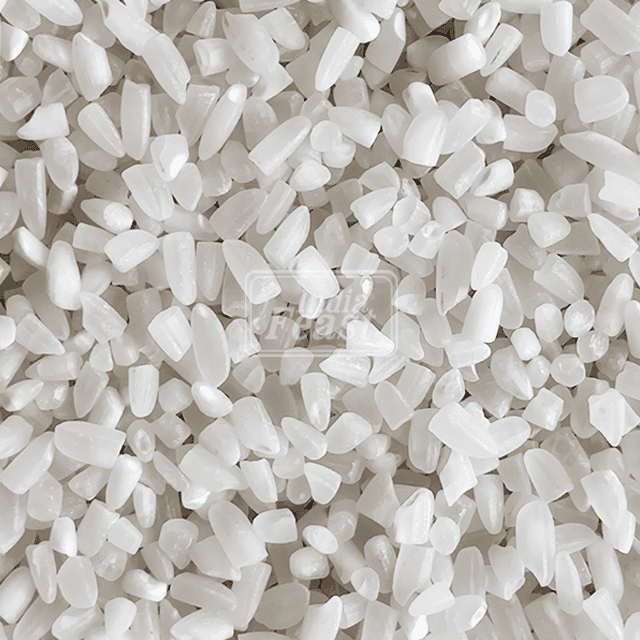
100% broken rice
- What it is
- Broken kernels separated during grading, supplied as white or parboiled broken rice.
- How it cooks
- Soaks up stock and spices fast, and mills easily into flour.
- Best for
- Rice flour, starch, brewing, breakfast cereals, animal feed and broken-rice dishes such as thieboudienne.

Brown rice
- What it is
- Only the husk is removed, so the bran layer and germ stay on the grain.
- How it cooks
- Nutty and chewy, with a longer cooking time than white rice.
- Best for
- Health food stores, organic and wholefood shelves, and fibre-conscious buyers.
How non-basmati rice is processed for export
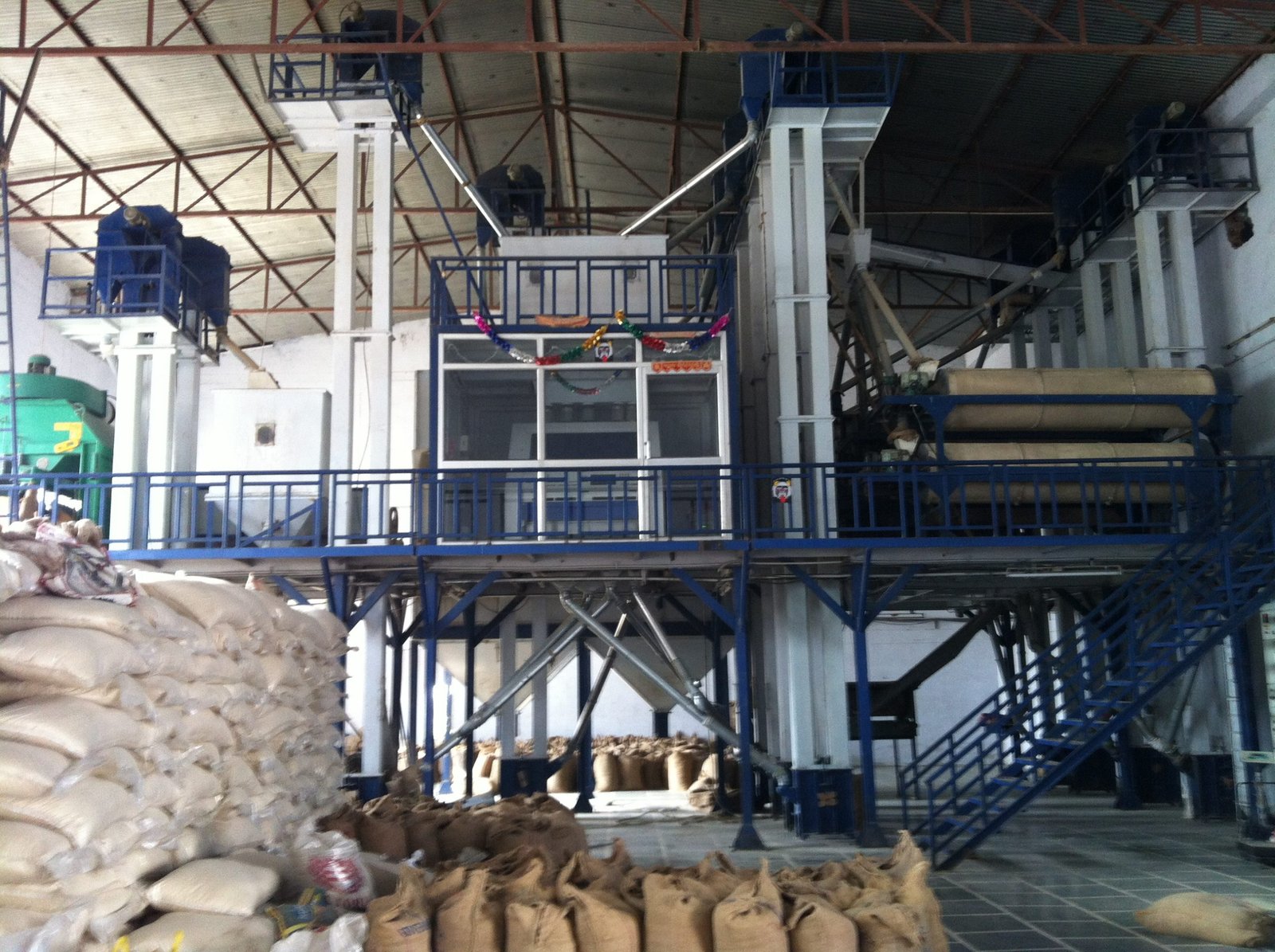
Buyers often ask how one container ends up like the next. The honest answer is careful, repetitive work: checking paddy at the gate, parboiling to a fixed recipe, grading by length and running every lot through a Sortex sorter. These are real photos from the Indiafeast rice processing unit, where we work as a non basmati rice manufacturer, followed by the grains that come out at the end.


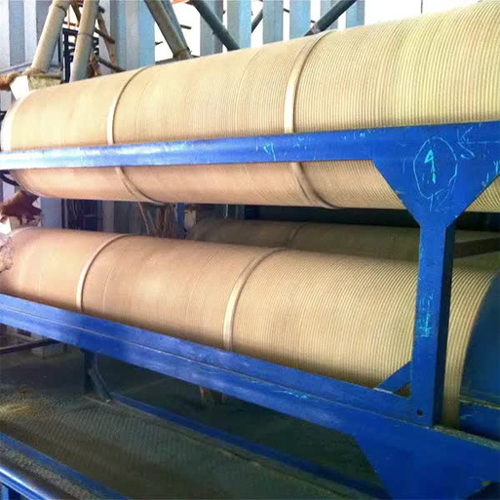
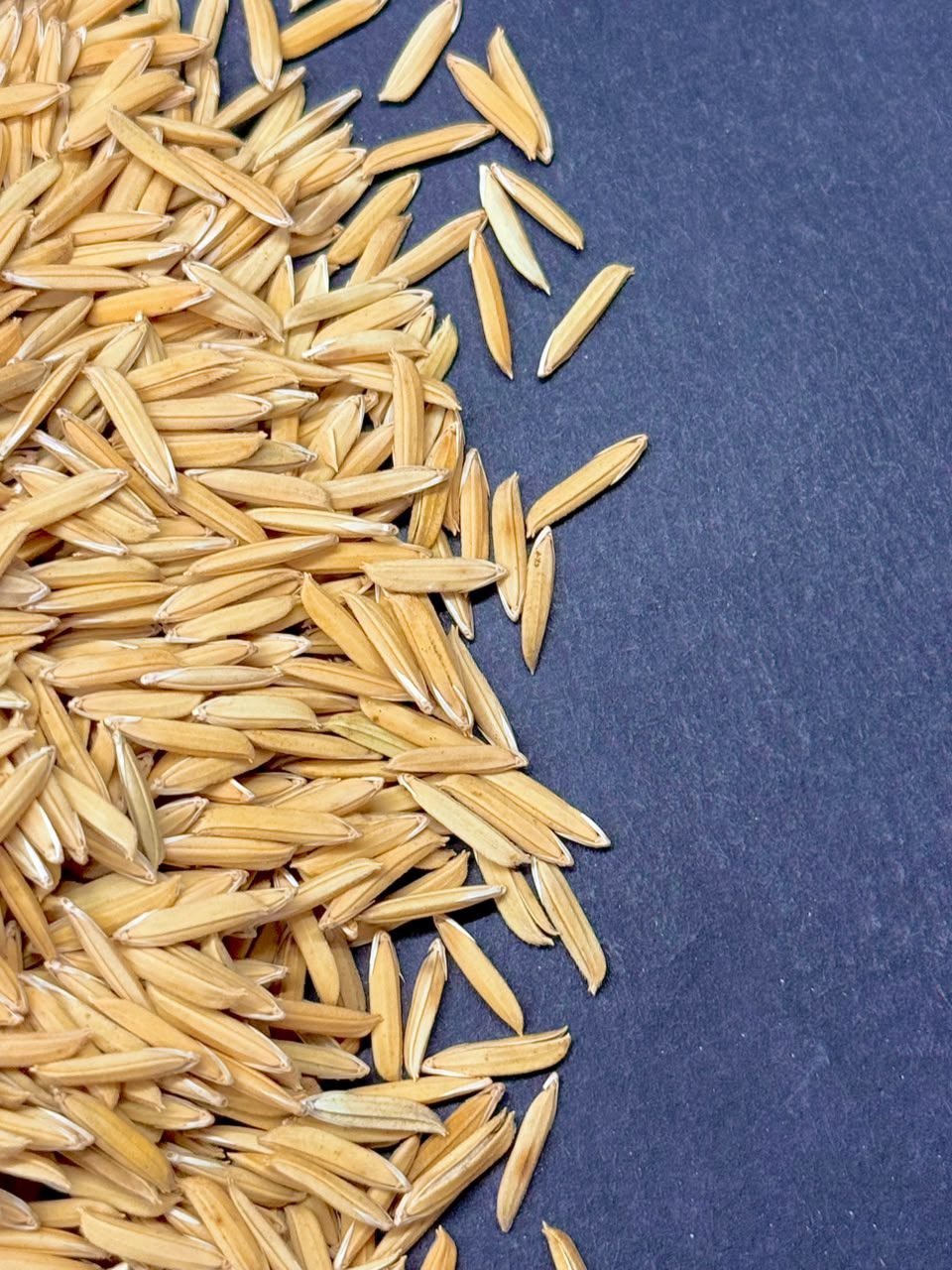
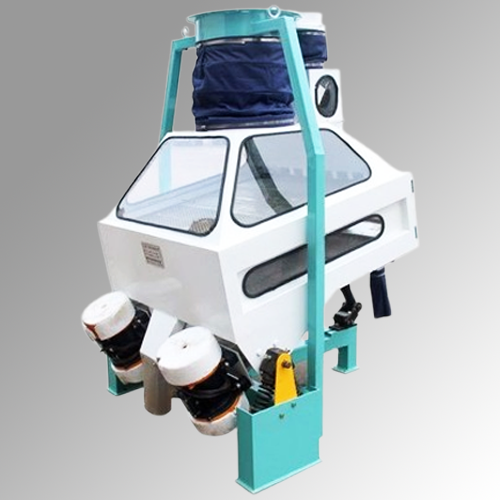
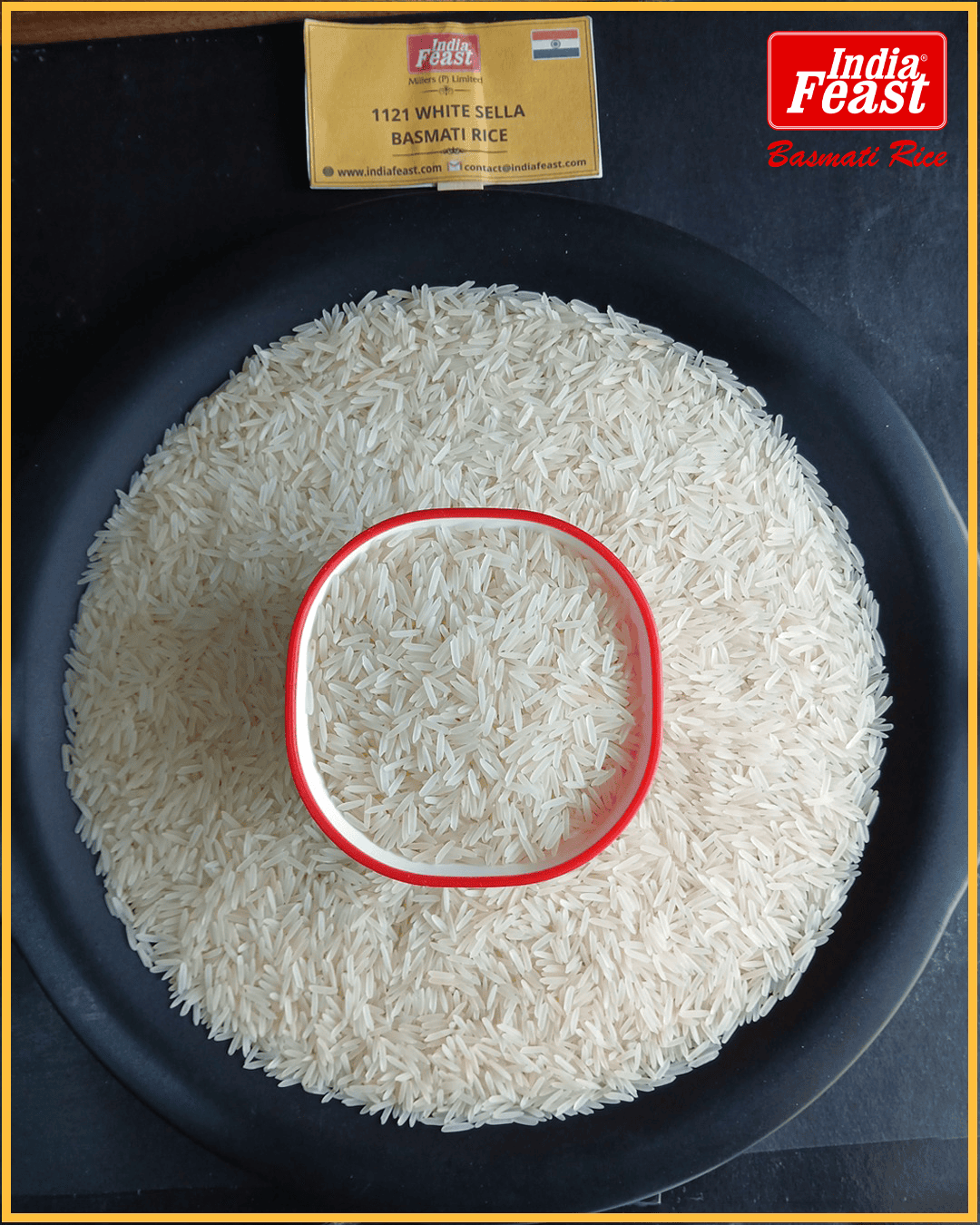
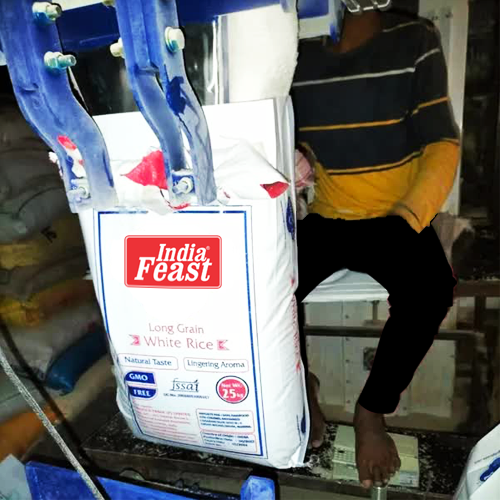
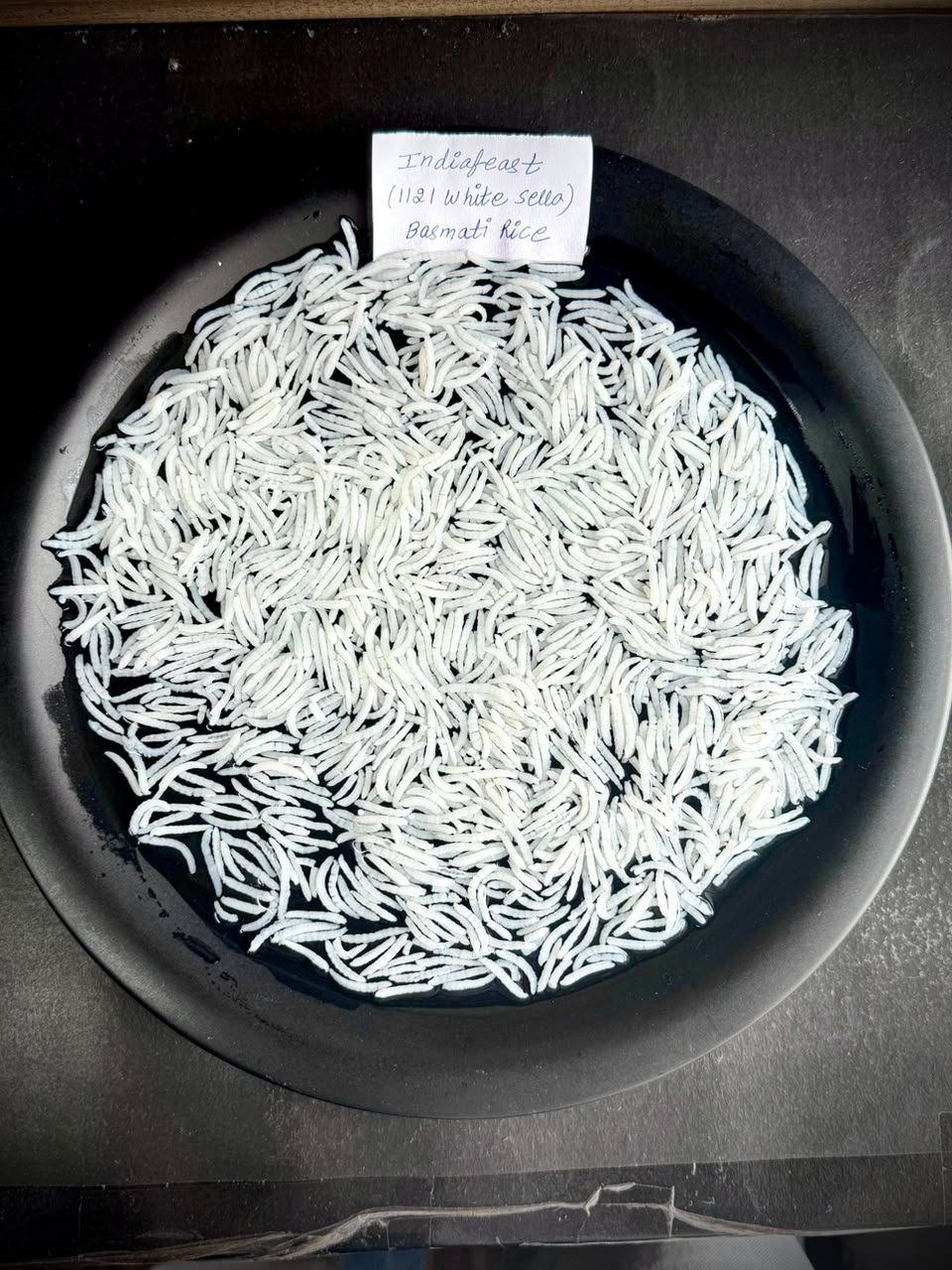


From paddy to a graded lot: how a non-basmati rice exporter from India works
Paddy bought by variety
Paddy is bought variety by variety and checked for moisture, purity and grain size before it enters the unit.
Parboiling for parboiled grades
For parboiled and sella lots the paddy is soaked, steamed and dried, which hardens the grain and sets its colour.
Dehusking & polishing
Husk is removed and the rice is whitened and double polished; brown rice skips the whitening step.
Grading by broken %
Length graders separate whole and broken kernels so the lot meets 5%, 25% or 100% broken.
Sortex sorting
Colour sorters take out discoloured, chalky and black grains and any foreign matter.
Bagging & container stuffing
The lot is bagged in 25 kg, 50 kg or jumbo bags and stuffed into the container with loading photos for you.
Bulk shipping from an Indian port to yours
Rice is heavy, and freight is a big slice of your landed cost, so the shipping side deserves as much attention as the grain. As a non-basmati rice exporter from India, we book the container, stuff and seal it, clear it through the port and send the documents your customs will ask for, with photos of your container before it sails.

Loading ports in India
As a non basmati rice exporter we choose the loading port by freight rate and sailing schedule to your destination, so bulk lots move at the lowest landed cost.
- MundraGujarat
- KandlaGujarat
- Nhava ShevaMaharashtra
- ChennaiTamil Nadu
- KolkataWest Bengal
FOB, CNF or CIF: who covers what
Price-led buyers often compare FOB offers and book their own freight; CNF and CIF suit buyers who want one price delivered to their port.
Documents with every shipment
- Invoice and packing list
- Bill of lading (B/L)
- Certificate of origin
- Phytosanitary certificate
- Fumigation certificate
- Lab analysis / quality certificate
- Halal certificate if needed
- Inspection by SGS or your agency, if needed
Payment options
- 💵Advance (TT)A bank transfer before loading, in full or as a deposit with the balance against documents.
- 🏦Letter of creditPayment is released by your bank when our shipping documents meet the LC conditions.
- 🛡️SBLCYour bank issues a standby letter of credit that secures the payment for the order.
Bulk bags, jumbo bags or your own brand
Most non-basmati rice still travels in plain 25 kg and 50 kg bags or 1 MT jumbo bags, and that is usually the cheapest way to ship it. More importers now also ask their non-basmati rice exporter from India for retail packs with their own name on them. We pack to the bag, weight, language and labelling rules of your country. Tap a bag to see its specs.
 Private label
Put your brand on the bag
Sell IR64, Sona Masoori or Sugandha under your own name. Send your artwork or let us help with it; we print it on retail or bulk bags, add your barcode and importer details, and keep the grade identical in every shipment.
Start your private labelWhat we print on every bag
Bag marking is agreed with you before packing, so customs and your buyers see the right details.
- Variety, grade & broken %
- Crop year
- Net & gross weight
- Lot / batch number
- Packing & best-before date
- Importer name & address
- Your language & barcode
+ Other bag sizes made to order
Our rice brands
Sell our ready brands, or put your own name on the same rice.


See us at international food fairs
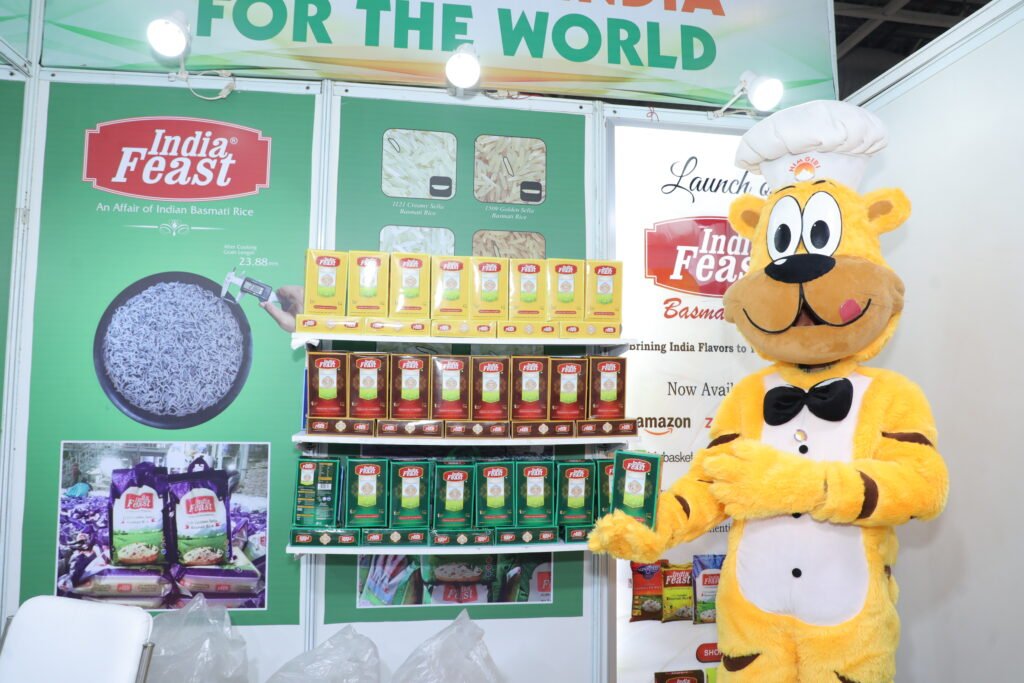
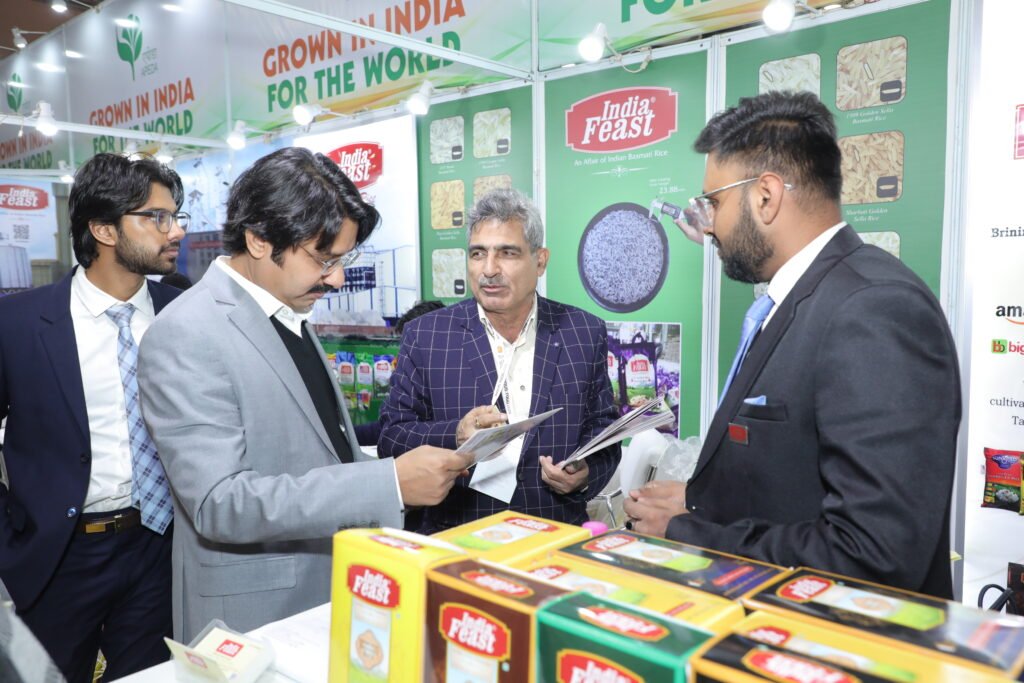
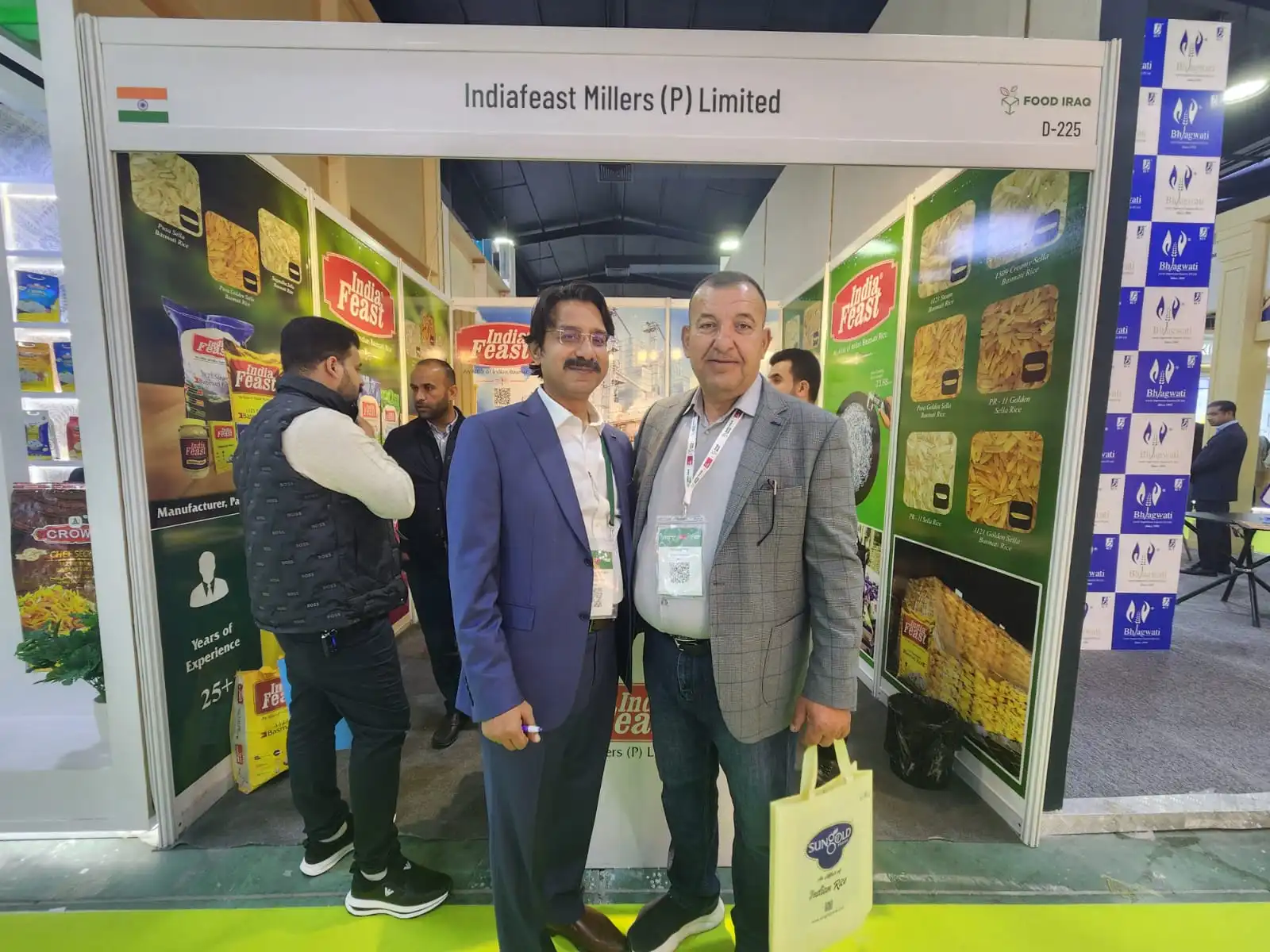
Plenty of buyers first meet their non-basmati rice exporter from India across a table at a food fair, and many of ours did at our stand as a non basmati rice manufacturer and exporter. We bring non-basmati and basmati grades, bag samples and price sheets, so you can see the grain, ask the hard questions and walk away with a quote.
- 🏟️Saudi Food Show 2026Riyadh, Saudi Arabia
- 🌐Gulfood 2026Dubai, UAE
- 🌾Indus Food 2025Greater Noida, India
- 🤝AgroPack Food 2024Iraq




Why buyers trust a non basmati rice manufacturer like us
With non-basmati rice a container either matches the sample or it doesn't, and small slips in broken %, colour or moisture are what buyers remember. Mohd Rizwan started Indiafeast Millers in 2021 and still runs the export desk. Our job is easy to describe and hard to do: ship the grade we promised, on the date we promised.

Same grade, every container
As an IR64 non basmati rice exporter we grade length, broken % and colour to the contract, so your second order matches your first.
Parboiling done in-house
Parboiled and sella lots are processed at the Indiafeast rice processing unit, which keeps colour and firmness consistent.
Clear, like-for-like quotes
Every quote names the variety, broken %, moisture, bag and Incoterm, so you can compare it fairly.
Built for volume
Repeat container orders and multi-container contracts are planned ahead so loading dates hold.
Retail-ready private label
Your brand on retail packs and bulk bags, with labelling done to your market rules.
A single point of contact
One person handles your quote, samples, paperwork and tracking, and answers within a working day.
Our global presence in non-basmati rice export
Rice buyers in the Middle East, Africa, Europe and Asia work with Indiafeast as their non-basmati rice exporter from India, some for a single trial container and many on repeat orders through the year.
Certified quality & export compliance standards
Our registrations cover food safety, export and trade compliance, the paperwork you should expect from any non-basmati rice exporter from India. Ask for copies with your first quote.
 APEDARegistered rice exporter
 FSSAIFood safety licence
 FSMSFood safety management
 HACCPHazard control at every step
 GMPGood manufacturing practice
 HalalFor Gulf & Muslim markets
 FIEOFederation of Indian Export Organisations
 D-U-N-SVerified business identity