1
Buyer type
2
Your details
3
Requirements
🌾 IndiaFeast — Manufacturer & Exporter Since 2021
Send Your Requirement

Rice & Agri Products Direct Mill Prices 14+ Countries ISO Certified

What best describes you? Tap to select & continue
🌎
International buyer Import — bulk products to your country
India
Domestic buyer Supply within India — distributor, HoReCa, Wholesaler
💬
General inquiry Partnership, private label, anything else
Enquiry Received!

Our export team will contact you within 24 hours with a personalised quote. Thank you for choosing IndiaFeast.

Chat on WhatsApp
🌾 Manufacturer & Exporter 🔒 SSL Secure ✈ 14+ Countries 🏭 Direct Mill Price ★ Since 2021

Indiafeast Rice Manufacturer & Exporter From India

Welcome To Indiafeast Millers Private Limited
Investor relations · Indiafeast Millers Private Limited

Invest in Rice Milling & Export Business in India with a rice manufacturer and exporter

Indiafeast Millers Private Limited is a manufacturer and exporter of premium Indian basmati and non-basmati rice, founded in 2021 in New Delhi. Paddy is bought from farmers in India's basmati belt, processed at the Indiafeast rice processing unit in Taraori, Karnal, and shipped to importers in 14+ countries. If you want to invest in rice milling & export business in India, or are weighing a food processing investment opportunity, this page explains how the business works, who runs it, the risks, and how you can get involved.

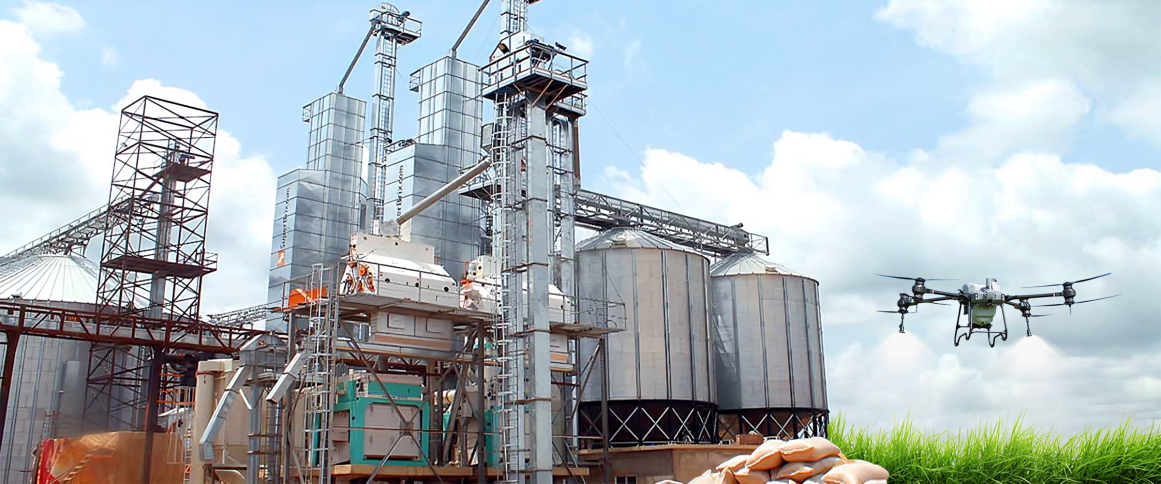
Invest in rice milling & export business in India – planning a rice milling business investment with Indiafeast Millers
Rice milling and export at the Indiafeast rice processing unit in Taraori, Karnal – a rice mill investment opportunity in India
2021Incorporated in New Delhi
14+countries supplied
3 brandsIndiafeast · SunGold Fresh · Glory
22+rice varieties & grades
8registrations & certifications
5 portsFOB · CNF · CIF shipping
In 30 seconds

Is rice milling & export in India worth investing in?

The short answer

India has been the world's largest rice exporter for more than a decade, and its rice exports were worth about US$12.47 billion in 2024-25. Basmati sells mainly in the Gulf and the Middle East, while non-basmati goes to Africa and Asia. The money in this trade is made after the harvest: in milling, sorting, grading, packing and shipping on time. That is why we treat milling and export as one business, not two.

Indiafeast Millers works across that whole chain as a manufacturer and exporter, so you can invest in rice milling & export business in India through one company instead of several. Investors and partners can come in through equity, a strategic partnership, distribution in their own country, or private label supply.

Legal name
Indiafeast Millers Private Limited
Incorporated
2021 · New Delhi, India
Founder & CEO
Mohd Rizwan
Group Chairman
Al Hajj Mohammad Shameem Ansari
Processing
Taraori, Karnal, Haryana
Products
1121, 1509, 1718, 1401 & Pusa basmati · long grain, parboiled, Sona Masoori & PR11 non-basmati · spices, chickpeas, makhana, wheat, maize
Brands
Indiafeast · SunGold Fresh · Glory · private label
Markets
14+ countries in the Middle East, Africa, Europe and Asia
Market opportunity

Rice milling business investment: the opportunity in numbers

Rice feeds more than half the world, and India grows it at a scale few countries can match. It also has the basmati belt, which gives Indian basmati a GI-protected identity of its own. These public figures show how big the market is, which way it is moving, and why a rice milling business investment here rests on real, recurring demand.

US$12.47 bn

India's rice exports, 2024-25

Up about 20% from US$10.41 billion the year before.

Source: DGCIS, reported by India Shipping News, Apr 2025
+12.9%

Growth, Apr–Aug 2026

₹45,739 crore of rice exported in five months: basmati up 11.6%, non-basmati up 14.2%.

Source: IREF, reported by KNN India, Oct 2026
~40%

India's possible share of world rice trade

USDA expects India to export about 24 million tonnes in the 2025-26 marketing year.

Source: USDA, reported by KNN India, May 2025
Rice exports from India: key figuresFigureSource
Value of rice exports, 2024-25US$12.47 bnDGCIS, Apr 2025
Value of rice exports, 2023-24US$10.41 bnDGCIS, Apr 2025
Basmati exports, Apr–Aug 2026₹22,864 crIREF, Oct 2026
Non-basmati exports, Apr–Aug 2026₹22,874 crIREF, Oct 2026
Export forecast, 2025-26 marketing year~24 mn tonnesUSDA, May 2025

For anyone planning a rice milling business investment, the interesting part is not the farm. It is what happens after the harvest: processing, colour sorting, grading, branding and export logistics. A business that does these steps well can serve importers who want the same grain every season, their own specification and their own brand on the bag. That is what makes this a food processing investment opportunity, not just a trading one.

Export rules

Is rice export from India open right now?

Yes. In 2022 and 2023 India restricted some rice exports to keep food prices down at home. Between September 2024 and March 2025 those restrictions were lifted one by one. Almost every investor who wants to invest in rice milling & export business in India asks about this, so here is what happened and when.

Status today

Basmati, non-basmati white, parboiled and broken rice can all be exported again. Rules can change with a single government notification, so exporters follow DGFT updates closely and spread their business across more than one type of rice.

  1. Broken rice exports banned

    100% broken rice was moved to the prohibited list.

  2. Non-basmati white rice banned

    Exports were stopped to protect supply at home. Basmati and parboiled rice stayed open.

  3. Basmati minimum export price removed

    Basmati could again be sold at market prices.

  4. Non-basmati white rice reopened

    The ban was lifted with a minimum export price of US$490 a tonne, and the export duty on parboiled rice was cut from 20% to 10%.

  5. Broken rice reopened

    The last major restriction was removed.

Sources: The Tribune, Sep 2024 · S&P Global, Mar 2025.

Business model

How the Indiafeast rice milling & export business works

One chain, four ways to earn, and the reason many people choose to invest in Indian food export business through a manufacturer rather than a trader. Every order goes through the same processing and quality steps, so the same grain can be sold in bulk, under our own brands or under a buyer's label.

Indiafeast rice processing unit in Taraori, Karnal – rice mill investment opportunity in India
Rice processing in Taraori, Karnal
  1. Paddy buyingFrom farmers in the basmati belt
  2. Processing8 steps · 10 for sella
  3. Sortex & gradingTo the buyer's spec
  4. Quality checkLot by lot
  5. PackingBuyer's bag & label
  6. ExportFOB · CNF · CIF
🚢

Bulk export

Basmati and non-basmati rice in bulk for importers, distributors and wholesalers, shipped from five Indian ports.

🏷️

Private label

Rice packed in the buyer's own bag and brand, from small retail packs to jumbo bags.

⭐

Our own brands

Indiafeast for premium basmati, SunGold Fresh for everyday retail and Glory for distributors and HoReCa.

🌶️

Other agri products

Spices and seeds, chickpeas, makhana, wheat and maize, sold to the same importers.

Why invest in us

Why invest in Indiafeast's rice milling & export business

Six reasons investors give us when they ask for a second meeting about how to invest in rice milling & export business in India with us. Each one is something you can check for yourself, in documents and on site.

📈

Proven track record

Exporting since 2021

In a few seasons the company has gone from its first shipments to buyers in 14+ countries, with a stand at Gulfood, the Saudi Food Show, Indus Food, BIRC and AgroPack Iraq along the way.

🤝

Enterprising culture

Founder-led, close to buyers

The founder works directly with importers on specifications, pricing and shipment dates. Decisions are made quickly and by the people who carry them out.

🌱

Compelling growth

The Indiafeast way

New markets are opened season by season, through trade shows, samples and partners on the ground, while existing buyers move from trial lots to regular orders.

🌍

Global brand and platform

Diversification brings balance

Three brands, private label and a range that covers basmati, non-basmati and other agri products. No single product, country or buyer carries the whole business.

💼

Capital-efficient model

Cash flow that funds growth

Export orders are usually taken on 30% advance with the balance against documents, by LC or TT. That keeps working capital turning and reduces the risk of unpaid shipments.

🔁

High-value recurring business

Rice is bought every season

Rice is a staple, not a one-off purchase, which is why a rice milling business investment can plan around repeat demand. Importers and private label buyers who are happy with the grain come back for the next crop, which makes revenue easier to plan.

Rice mill investment opportunity · India

Where the value is added between paddy and plate

A rice milling and export business earns on the difference between what paddy costs and what graded, packed and shipped rice sells for. That difference is built in five places.

  1. Buying paddy well

    Paddy bought at harvest, from the right villages and at the right moisture, sets the cost of everything that follows.

  2. Gentle milling

    Whole grains are worth more than broken ones. Careful, multi-pass milling protects grain length.

  3. Sorting & grading

    Sortex sorting and length grading turn one lot into several grades, each with its own price.

  4. Packing & brand

    Branded and private label packs earn more per tonne than loose bulk rice.

  5. By-products

    Husk and bran are sold or reused, so less of the paddy goes to waste. Small gains like this add up in any rice milling business investment.

Financial information

Our numbers are shared privately, not on a web page

Audit reports, tax returns and bank records are confidential company documents, so we do not publish them online. Anyone looking to invest in Indian food export business through Indiafeast gets the full set directly from the company, under an NDA, and can go through every figure with us in a meeting or video call.

  1. Send a request

    Tell us who you are and the kind of investment you have in mind.

  2. Sign a mutual NDA

    Both sides agree to keep the information confidential.

  3. Get access to the documents

    The financial pack is shared with you directly by the company.

  4. Review them with us

    A meeting or video call to answer every question on the numbers.

Request financial information → Shared only with verified investors.

What the financial pack covers

🔒 After NDA
  • Audited financial statementsBalance sheet, P&L and the auditor's report
  • Income tax & GST returnsAs filed with the authorities
  • Export recordsShipping bills and export realisation
  • Banking detailsStatements and credit facilities
  • Business overviewBuyers, markets, varieties and capacity
  • Company registrationsIncorporation, IEC, RCMC, FSSAI and more

The pack is for evaluation only. Past performance does not guarantee future results.

Food processing investment opportunity

Where new capital would go

If you are weighing this as a food processing investment opportunity, these are the areas the company plans to invest in next. Amounts and timelines are set out in the investor deck.

  • 🏭
    Processing capacityMore milling, sorting and grading capacity for larger and faster export orders.
  • 📦
    Retail packingRetail and vacuum packing lines for private label and brand growth.
  • 🌍
    New export marketsTrade shows, samples and in-market partners in new countries.
  • 📣
    Brand buildingMarketing for Indiafeast, SunGold Fresh and Glory in core markets.
  • 💼
    Working capitalBuying paddy at harvest, when prices and quality are at their best.
  • 🔬
    Quality & certificationIn-house testing equipment and further international certifications.
Ways to invest

Four ways to invest in rice milling & export business in India with us

📈

Equity investment

A minority stake through a private placement, under the Companies Act, 2013, and FEMA rules for foreign investors.

Discuss equity →
🤝

Strategic partnership

A joint venture for one market, one product line or added processing capacity, for partners who see a rice mill investment opportunity India can offer at scale.

Propose a partnership →
🚚

Distribution

Become the Indiafeast distributor for your country or region.

Be our distributor →
🏷️

Private label

Build your own rice brand with grain processed and packed in India.

Start private label →
Compare your options

Private rice company or listed rice stock?

Both are ways to put money into Indian rice, and both let you invest in Indian food export business in some form. They suit different investors.

A stake in a private company like IndiafeastShares of a listed rice company
AccessDirect talks with the founder, site visits and a say in the termsBought and sold through a broker
LiquidityLow; the exit is agreed in the contractHigh; shares can be sold on any trading day
InformationData room after an NDA, plus your own due diligencePublic filings and analyst reports
StageEarly growth, built since 2021Mostly large, mature companies
Strategic optionsCan be combined with distribution or private label in your marketFinancial return only
Mohd Rizwan, Founder and CEO of Indiafeast Millers Private Limited – rice milling and export business in India
Mohd RizwanFounder & CEOIndiafeast Millers Private Limited
Meet the founder

The founder behind Indiafeast

Every bag carries the Indiafeast name, so every grain inside it has to live up to it. Importers work with us for premium & consistent quality supply in every season and shipments that reach them on time.

Mohd Rizwan founded Indiafeast Millers in 2021 and leads sourcing, quality and export operations. He works directly with importers on specifications, pricing and shipment schedules, and he is the first person investors speak to.

🌾 Founded Indiafeast in 2021🎯 Leads sourcing & quality🤝 Works directly with importers
Mohd RizwanFounder & CEOIndiafeast Millers Private Limited
Al Hajj Mohammad Shameem AnsariGroup Chairman

Guides the group's direction across rice, wheat, pulses, seeds, sugar, spices and foxnuts.

Business growth & export achievements

What Indiafeast has built since 2021

A young company with a clear direction for anyone who wants to invest in rice milling & export business in India: more buyers, more countries and more brands every season. These are the numbers today, and the trade shows where importers have met the team in person.

6+Years in rice exportFounded in 2021, New Delhi
19+Satisfied clientsImporters, distributors & wholesalers
14+Countries suppliedMiddle East, Africa, Europe & Asia
15+Private label brandsPacked under buyers' own names
22+Rice varieties & gradesBasmati and non-basmati
5Export portsMundra, Kandla, Nhava Sheva, Chennai, Kolkata

Trade events & milestones

Meeting buyers face to face is how long-term export relationships start. This list keeps growing, season after season.

Risks we watch

Every business has risks. Here are ours.

Being open about the risks of a rice milling and export business in India, and how we manage them, is part of earning an investor's trust. Tap a risk to see both sides.

Higher

Export policy changes

What it means

India has restricted some rice exports before and has changed minimum export prices for basmati.

How we manage it

A spread of basmati, non-basmati and other agri products, so one rule change does not stop the business.

Higher

Crop and weather

What it means

The monsoon and harvest quality move paddy prices and supply.

How we manage it

Buying across the basmati belt and at harvest, with working capital planned for the season.

Medium

Currency and freight

What it means

Rupee and dollar rates and container freight change margins.

How we manage it

Quotes on FOB, CNF or CIF terms, with 30% advance and LC or TT payment.

Medium

Quality claims

What it means

A rejected lot costs money and a buyer's trust.

How we manage it

Lot-by-lot checks of length, moisture, broken % and purity; buyers can appoint their own inspection agency.

Medium

Buyer concentration

What it means

Relying on a few buyers or countries.

How we manage it

Buyers in 14+ countries and three channels: bulk, brands and private label. For a food processing investment opportunity, this spread matters as much as volume.

Certifications & registrations

Certified for export, registered to trade

Every lot that leaves the Indiafeast rice processing unit is backed by these registrations and certifications. They help our basmati and non-basmati rice clear customs and pass buyer audits, and copies are shared with investors on request.

  • APEDA registered rice exporter from IndiaAPEDARegistered rice exporter
  • FSSAI licensed rice manufacturer in IndiaFSSAIFood safety licence
  • Food safety management system certified rice exporterFSMSFood safety management
  • HACCP certified rice processing in IndiaHACCPHazard control at every step
  • GMP good manufacturing practice rice processing company in IndiaGMPGood manufacturing practice
  • Halal certified rice exporter from IndiaHalalFor Gulf & Muslim markets
  • FIEO member rice export company in IndiaFIEOFederation of Indian Export Organisations
  • D-U-N-S registered company Indiafeast MillersD-U-N-SVerified business identity

Due diligence checklist before a rice milling business investment

  • Company record: check the CIN, the directors and any registered charges on the MCA portal.
  • Tax: verify the GSTIN and that GST returns are filed on time.
  • Export licence: check the IEC on the DGFT portal and the APEDA RCMC.
  • Food safety: check the FSSAI licence on FoSCoS and the HACCP, GMP and Halal certificates.
  • Accounts: read three years of audited statements and the auditor's notes.
  • Real exports: look at sample shipping bills, bills of lading and buyer payments.
  • Operations: visit the processing unit during the season and watch a lot being graded.
  • References: speak to buyers and suppliers the company names.
How it works

From first call to term sheet

A simple, five-step process to invest in rice milling & export business in India with Indiafeast, so you always know what comes next and what you will be shown.

  1. Intro call

    A 30-minute call with the founder about your goals and the size of investment you have in mind.

  2. NDA

    A mutual non-disclosure agreement before any financials are shared.

  3. Data room

    Audited accounts, registrations, certificates and the investor deck.

  4. Meeting

    Meet the founder and the export team in New Delhi, in person or on a video call, to go through the business together.

  5. Term sheet

    Terms of your rice milling business investment agreed and documented with legal and tax advisers on both sides.

  • 📘 E-catalogue (products & packing) Download
  • 📊 Investor deck On request
  • 📑 Audited financial statements After NDA
  • 🧾 Certificates & registrations On request
  • 🏭 Processing unit profile On request
  • 🌍 Export markets summary After NDA
Glossary

Rice export terms, in plain words

FOB
Free on Board. The price covers the rice until it is loaded on the ship at the Indian port.
CNF / CFR
Cost and Freight. FOB plus sea freight to the buyer's port.
CIF
Cost, Insurance and Freight. CNF plus marine insurance.
MEP
Minimum Export Price. A floor price set by the government, below which a product cannot be exported.
APEDA RCMC
Registration-cum-Membership Certificate from India's agricultural export authority, needed to export rice.
IEC
Importer Exporter Code issued by DGFT. Every Indian exporter must have one.
Sella (parboiled)
Paddy that is soaked, steamed and dried before milling. Golden, white and creamy sella are popular in the Middle East.
Sortex
Optical colour sorting that removes discoloured, chalky or damaged grains.
COA
Certificate of Analysis. Lab results for a lot: grain length, moisture, broken % and purity.
Investor FAQ

Questions investors ask us

Still deciding how to invest in rice milling & export business in India? Get to know the company and see how the rice is made.

Is rice milling and export a profitable business in India?

It can be, if it is run well. India is the world's largest rice exporter and shipped about US$12.47 billion of rice in 2024-25. Margins come from buying paddy at the right time, milling with low breakage, grading accurately and selling to buyers who reorder. A business that processes, packs and exports its own rice keeps more of that margin, which is why people who invest in rice milling & export business in India look at the whole chain, not just trading.

How can I invest in rice milling & export business in India?

You can buy shares of a listed rice company, start your own mill or export firm, or invest in an existing manufacturer and exporter. If you want to invest in Indian food export business without building a unit from scratch, the last option is the quickest. With Indiafeast Millers there are four routes: a minority equity stake, a strategic partnership or joint venture, distribution rights for your country, or private label supply.

Can foreign investors invest in an Indian rice company?

In general, yes, and many overseas buyers first look at it as a way to invest in Indian food export business close to the source. Foreign investment in Indian food processing and agriculture is allowed, mostly under the automatic route, subject to FEMA and RBI rules. The exact route depends on the structure of the deal, so every investment is documented with legal and tax advisers on both sides.

Is there a minimum investment amount?

It depends on the route you choose to invest in rice milling & export business in India with us. The terms, the minimum amount and the planned use of funds are set out in the investor deck, which is shared on request.

How much money is needed to start a rice milling and export business in India?

It depends on the model. A merchant exporter mainly needs licences and working capital for each shipment. Setting up a rice processing unit needs land, machinery and far more capital. Investing in or partnering with an established manufacturer and exporter avoids most of that set-up time and cost, and it is often the simplest rice milling business investment for a first-time investor.

Which licences are needed to export rice from India?

An Importer Exporter Code (IEC) from DGFT, GST registration, APEDA registration (RCMC), an FSSAI licence and a bank account with an authorised dealer bank. Basmati export contracts are also registered with APEDA. Many buyers also ask for Halal, HACCP or other certificates.

Is rice export from India allowed now?

Yes. The restrictions placed in 2022 and 2023 were lifted between September 2024 and March 2025, including the bans on non-basmati white rice and broken rice. Rules can change, so exporters follow DGFT notifications closely.

How can I see the company's financial statements?

Audited financial statements, tax returns and bank records are confidential, so they are not published online. They are shared directly with serious investors after a mutual NDA, and the team goes through the numbers with you in a meeting or video call.

Who runs Indiafeast Millers?

Founder and CEO Mohd Rizwan leads sourcing, quality and export operations. Group Chairman Al Hajj Mohammad Shameem Ansari guides the wider group across rice, wheat, pulses, seeds, sugar, spices and foxnuts.

Where is the rice processed?

At the Indiafeast rice processing unit in Taraori, Karnal, in Haryana's basmati belt. Regular rice goes through 8 steps and parboiled (sella) rice through 10, including Sortex colour sorting and length grading.

Can I visit before investing?

Yes. Anyone weighing the rice mill investment opportunity India offers can visit the processing unit in Taraori, Karnal and the corporate office in New Delhi by appointment, usually after the NDA and data room stage.

What are the main risks in rice milling and export?

Changes in export policy, crop and weather, currency and freight costs, quality claims, and relying on too few buyers. Every food processing investment opportunity carries some of these. The risks section on this page explains how each one is managed.

Which countries does Indiafeast export to?

Importers, distributors and wholesalers in 14+ countries across the Middle East, Africa, Europe and Asia, including Saudi Arabia, the UAE, Egypt, Jordan, Iraq and the United Kingdom.

Which certifications does Indiafeast hold?

APEDA registration, an FSSAI licence, HACCP, GMP, FSMS (food safety management), Halal, FIEO membership and a D-U-N-S number. Copies are available to investors on request.

How do I contact the investor relations team?

Call +91-11-25100785, email contact@indiafeast.com or use the enquiry form. The founder's office replies within 2 working days.

Mohd Rizwan, Founder and CEO, Indiafeast Millers Private Limited

Written by the Indiafeast export team and reviewed by Mohd Rizwan, Founder & CEO, Indiafeast Millers Private Limited. Market figures are checked against the sources named on this page.

Let's talk about growing together

Tell us how you would like to invest in rice milling & export business in India with us, as an investor or a partner. The founder's office replies within 2 working days and can set up a meeting with the team, in person or on a video call.

This page gives general information about Indiafeast Millers Private Limited. It is not an offer, solicitation or recommendation to buy or sell shares or any other securities. Any investment will be made only through signed agreements and in line with the Companies Act, 2013, FEMA and other applicable laws. Market figures come from the public sources named on this page; company figures come from audited accounts. Please take independent legal, tax and financial advice before investing.

Scroll to Top