

Indiafeast — Premium Basmati and Non-Basmati Rice Manufacturer & Exporter from India to Nigeria
Rice export from India to Nigeria, It is Africa’s most populous country at approximately 220 million people and one of the world’s most commercially significant rice import markets — a country where rice-based preparations, jollof rice most prominently, are daily dietary staples across Lagos, Kano, Ibadan, Abuja, Port Harcourt, Onitsha, and hundreds of secondary cities, and where India has maintained its position as the dominant rice supplier for decades. Nigeria Imports from India reached USD 4.18 billion in total bilateral trade in 2024 (COMTRADE, Nigeria as reporter) — a trade relationship that includes rice as one of the most commercially significant food commodity components. Nigeria’s food import regulatory framework is administered by NAFDAC (National Agency for Food and Drug Administration and Control) for food safety and quality standards, NAQS (Nigerian Agricultural Quarantine Service) for phytosanitary import requirements, and SON (Standards Organisation of Nigeria) for product conformity — all applying Codex Alimentarius international food safety standards without EU-level MRL strictness. Nigerian jollof rice — cooked in a tomato-onion-pepper base, the defining dish of Nigerian food culture and the subject of the globally celebrated “jollof wars” competitive pride between Nigeria and Ghana — demands Long Grain Parboiled Rice specifically, because parboiled rice’s pre-gelatinised starch structure delivers the firm, separate-grained cooking performance that authentic Nigerian jollof requires. This technical-culinary requirement is the commercial foundation for Indian parboiled rice’s indispensable position in the Nigerian market.
As a direct rice exporter from India to Nigeria, Indiafeast Millers Private Limited supplies NAFDAC Codex compliant Long Grain Parboiled Rice 5% Broken and 25% Broken to Nigerian importers and food distributors in Lagos, Kano, Ibadan, Onitsha, and Port Harcourt — with phytosanitary certificate from India’s Plant Quarantine Authority meeting NAQS requirements, fumigation certificate, APEDA registration certificate, certificate of origin, and complete Apapa Port and Tin Can Island customs documentation. Our ISO-Certified, APEDA-registered Karnal facility processes parboiled rice at moisture consistently below 14% for Nigeria’s hot tropical storage conditions. Sea transit Nhava Sheva (JNPT) to Apapa/Tin Can Island Lagos: 14 to 18 days. MOQ 50 Metric Tons.
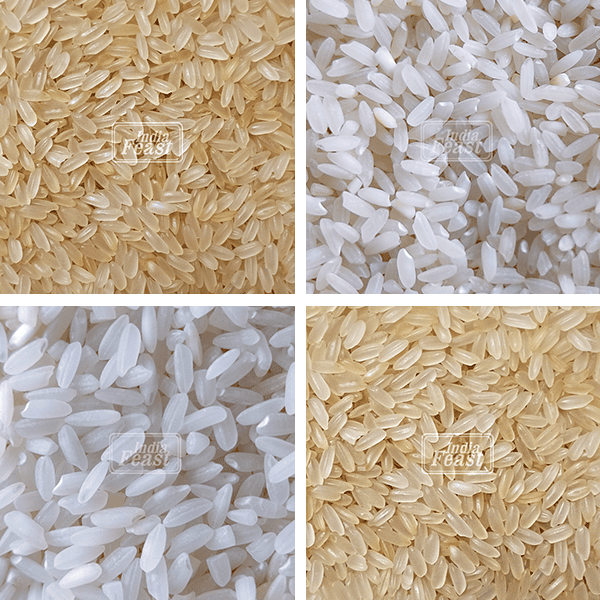
Indian Long Grain Rice Varieties We Export to Nigeria



Nigeria Rice Import Regulations — NAFDAC Food Safety, NAQS Phytosanitary and Apapa/Tin Can Island Port Clearance
The National Agency for Food and Drug Administration and Control (NAFDAC), operating under the Federal Ministry of Health, is the primary authority responsible for food-import safety standards, product registration, labelling compliance and quality control for rice and other consumer food products entering Nigeria. Established importers generally clear consignments against existing NAFDAC-registered bulk rice import credentials, while new market entrants must complete the full product registration process before commercial volumes can be released. The Nigerian Agricultural Quarantine Service (NAQS), under the Federal Ministry of Agriculture and Food Security, enforces phytosanitary controls and requires a phytosanitary certificate issued by India’s Plant Quarantine Authority (NPPO of India) confirming that the consignment is free from quarantine pests in line with ECOWAS regional standards and the International Plant Protection Convention. Codex Alimentarius maximum residue limits and general food-safety principles apply; Nigeria does not impose EU-level MRL strictness and the EIC/EIA Certificate of Inspection required for European destinations is not applicable. Complete documentation typically required includes: phytosanitary certificate, fumigation certificate, APEDA registration, certificate of origin, commercial invoice in English (preferably quoting HS 1006.30 for parboiled rice and a precise commercial description), packing list, and bill of lading for discharge at either Apapa Port or Tin Can Island Port in Lagos. Clearance is a multi-agency process involving the Nigeria Customs Service, NAFDAC and NAQS; under normal conditions post-vessel-arrival processing takes 5–10 working days, although document discrepancies, physical examination channels or peak-season pressure can extend this timeline. Apapa Port continues to experience chronic congestion and truck-access challenges — importers should realistically allow an additional 5–15 days of port waiting and evacuation time during busy periods. Tin Can Island Port often provides relatively better congestion management and faster gate-out, yet both terminals remain subject to operational variability linked to terminal handling, examination queues and inland logistics capacity.
Nigeria Rice Market — Multi-Billion-Dollar Bilateral Corridor, 220-Million-Person Jollof Rice Nation, Kano–Onitsha–Ibadan Distribution and Sahel Re-Export Flows
Nigeria’s trade relationship with India ranks among the most commercially significant India–Africa corridors. Total two-way merchandise trade runs into several billion US dollars annually, with India’s exports to Nigeria recorded in the range of approximately USD 2.8–3.2 billion in recent years and Nigerian exports to India (dominated by crude petroleum) pushing overall bilateral volumes substantially higher. Rice remains a core agricultural component of this relationship: India continues to be one of Nigeria’s leading official and unofficial suppliers of Long Grain Parboiled rice, sustained by competitive FOB pricing, consistent quality and long-established buyer relationships that Nigerian wholesale and retail networks have relied upon for decades. Official direct rice export figures from India to Nigeria stood at around USD 48–49 million in 2024, although substantial additional volumes reach the Nigerian market through re-export and informal channels via neighbouring West African ports. Primary inland distribution hubs include Kano (northern Nigeria’s commercial capital — Yankaba Market and Singer Market rank among the largest wholesale centres in West Africa, roughly 1,000 km and 10–12 hours by road from Lagos), Onitsha (Bridge Head Market — the enormous southeastern distribution node serving the Igbo-speaking states of the South-East, approximately 500 km from Lagos), Ibadan (Oyo State capital and a major South-West redistribution point, about 150 km from Lagos), and Port Harcourt (Niger Delta commercial centre, roughly 450 km from Lagos). Northern Nigeria also functions as a critical re-export staging point for the land-locked Sahel: the Kano–Zinder–Niamey corridor and the Maiduguri–N’Djamena axis regularly carry Indian-origin rice that has entered Nigeria onward into Niger and Chad. Standard commercial packaging is 25 kg and 50 kg polypropylene bags. Terms are commonly quoted FOB or CIF Apapa / Tin Can Island. With a population of approximately 220 million and the deep cultural centrality of jollof rice across all regions and income groups, Nigeria remains one of Africa’s largest, most dynamic and most price-sensitive rice markets.
Indiafeast Millers exports premium Indian Basmati and Non-Basmati rice to importers, distributors, and food companies worldwide. Click any country to explore our dedicated rice export page.
 Algeria
 Angola
 Australia
 Afghanistan
 Azerbaijan
 Bahrain
 Belgium
 Benin
 Bosnia & Herzegovina
 Brazil
 Bulgaria
 Burkina Faso
 Cameroon
 Canada
 Chad
 China
 Congo
 Croatia
 Cyprus
 Denmark
 Djibouti
 Egypt
 Estonia
 Finland
 France
 Gabon
 Georgia
 Germany
 Ghana
 Guinea
 Indonesia
 Iraq
 Ireland
 Italy
 Ivory Coast
 Japan
 Jordan
 Kazakhstan
 Kenya
 Kuwait
 Kyrgyzstan
 Lebanon
 Liberia
 Libya
 Madagascar
 Malaysia
 Maldives
 Mali
 Mauritania
 Mauritius
 Mexico
 Monaco
 Morocco
 Namibia
 Netherlands
 New Zealand
 Niger
 Nigeria
 Norway
 Oman
 Papua New Guinea
 Philippines
 Poland
 Portugal
 Qatar
 Romania
 Saudi Arabia
 Senegal
 Seychelles
 Sierra Leone
 Singapore
 Somalia
 South Africa
 South Korea
 Spain
 Sri Lanka
 Sweden
 Switzerland
 Taiwan
 Tanzania
 Timor-Leste
 Togo
 Turkey
 Turkmenistan
 UAE
 Uganda
 Ukraine
 United Kingdom
 USA
 Uzbekistan
 Yemen
Trusted Long Grain Rice Exporter from India to Nigeria
" built on consistent quality, reliable supply, and long-term buyer relationships "
Years Of Experience
Satisfied Clients
Countries Served
Private labeling
Every Certificate Earned. Every Standard Met
" Every consignment of Rice that leaves our facility is backed by internationally recognised certifications "


Our Rice Export & Management Office — India
Indiafeast Millers Private Limited operates from Karnal, Haryana — situated at the heart of India's GI-tagged basmati cultivation belt, the only legally recognised region in the world for authentic Indian Basmati Rice production under India's Geographical Indication (GI) protection framework. Our ISO-Certified rice milling and processing facility in Karnal processes paddy sourced directly from GI-tagged Haryana and Punjab farmers — ensuring complete traceability, verified grain quality below 14% moisture, and the authentic Indian origin that Nigeria's NAFDAC food safety standards and NAQS phytosanitary import requirements demand for all rice import documentation entering Apapa Port and Tin Can Island Port in Lagos. Karnal's strategic location provides direct road freight access to Nhava Sheva (JNPT) and Mundra Port on India's West Coast — enabling efficient container loading and competitive sea freight scheduling for the well-established Nhava Sheva-to-Apapa trade lane, with typical sea transit times of 14 to 18 days to Lagos serving Nigeria's 220 million people who depend on Indian Long Grain Parboiled Rice as a daily dietary staple.
📍 View on Google Maps — Indiafeast Millers Private Limited, India
Everything Nigerian importers, Lagos food distributors, and West Africa rice buyers need to know about sourcing Indian Long Grain Parboiled rice from India.