1
Buyer type
2
Your details
3
Requirements
🌾 IndiaFeast — Manufacturer & Exporter Since 2021
Send Your Requirement

Rice & Agri Products Direct Mill Prices 14+ Countries ISO Certified

What best describes you? Tap to select & continue
🌎
International buyer Import — bulk products to your country
India
Domestic buyer Supply within India — distributor, HoReCa, Wholesaler
💬
General inquiry Partnership, private label, anything else
Enquiry Received!

Our export team will contact you within 24 hours with a personalised quote. Thank you for choosing IndiaFeast.

Chat on WhatsApp
🌾 Manufacturer & Exporter 🔒 SSL Secure ✈ 14+ Countries 🏭 Direct Mill Price ★ Since 2021

Indiafeast Rice Manufacturer & Exporter From India

Welcome To Indiafeast Millers Private Limited

Indiafeast — Premium Basmati and Non-Basmati Rice Manufacturer & Exporter from India to Nigeria

Rice export from India to Nigeria, It is Africa’s most populous country at approximately 220 million people and one of the world’s most commercially significant rice import markets — a country where rice-based preparations, jollof rice most prominently, are daily dietary staples across Lagos, Kano, Ibadan, Abuja, Port Harcourt, Onitsha, and hundreds of secondary cities, and where India has maintained its position as the dominant rice supplier for decades. Nigeria Imports from India reached USD 4.18 billion in total bilateral trade in 2024 (COMTRADE, Nigeria as reporter) — a trade relationship that includes rice as one of the most commercially significant food commodity components. Nigeria’s food import regulatory framework is administered by NAFDAC (National Agency for Food and Drug Administration and Control) for food safety and quality standards, NAQS (Nigerian Agricultural Quarantine Service) for phytosanitary import requirements, and SON (Standards Organisation of Nigeria) for product conformity — all applying Codex Alimentarius international food safety standards without EU-level MRL strictness. Nigerian jollof rice — cooked in a tomato-onion-pepper base, the defining dish of Nigerian food culture and the subject of the globally celebrated “jollof wars” competitive pride between Nigeria and Ghana — demands Long Grain Parboiled Rice specifically, because parboiled rice’s pre-gelatinised starch structure delivers the firm, separate-grained cooking performance that authentic Nigerian jollof requires. This technical-culinary requirement is the commercial foundation for Indian parboiled rice’s indispensable position in the Nigerian market.

As a direct rice exporter from India to Nigeria, Indiafeast Millers Private Limited supplies NAFDAC Codex compliant Long Grain Parboiled Rice 5% Broken and 25% Broken to Nigerian importers and food distributors in Lagos, Kano, Ibadan, Onitsha, and Port Harcourt — with phytosanitary certificate from India’s Plant Quarantine Authority meeting NAQS requirements, fumigation certificate, APEDA registration certificate, certificate of origin, and complete Apapa Port and Tin Can Island customs documentation. Our ISO-Certified, APEDA-registered Karnal facility processes parboiled rice at moisture consistently below 14% for Nigeria’s hot tropical storage conditions. Sea transit Nhava Sheva (JNPT) to Apapa/Tin Can Island Lagos: 14 to 18 days. MOQ 50 Metric Tons.

Indian Long Grain Rice Varieties We Export to Nigeria

Nigeria Rice Import Regulations — NAFDAC Food Safety, NAQS Phytosanitary and Apapa/Tin Can Island Port Clearance

The National Agency for Food and Drug Administration and Control (NAFDAC), operating under the Federal Ministry of Health, is the primary authority responsible for food-import safety standards, product registration, labelling compliance and quality control for rice and other consumer food products entering Nigeria. Established importers generally clear consignments against existing NAFDAC-registered bulk rice import credentials, while new market entrants must complete the full product registration process before commercial volumes can be released. The Nigerian Agricultural Quarantine Service (NAQS), under the Federal Ministry of Agriculture and Food Security, enforces phytosanitary controls and requires a phytosanitary certificate issued by India’s Plant Quarantine Authority (NPPO of India) confirming that the consignment is free from quarantine pests in line with ECOWAS regional standards and the International Plant Protection Convention. Codex Alimentarius maximum residue limits and general food-safety principles apply; Nigeria does not impose EU-level MRL strictness and the EIC/EIA Certificate of Inspection required for European destinations is not applicable. Complete documentation typically required includes: phytosanitary certificate, fumigation certificate, APEDA registration, certificate of origin, commercial invoice in English (preferably quoting HS 1006.30 for parboiled rice and a precise commercial description), packing list, and bill of lading for discharge at either Apapa Port or Tin Can Island Port in Lagos. Clearance is a multi-agency process involving the Nigeria Customs Service, NAFDAC and NAQS; under normal conditions post-vessel-arrival processing takes 5–10 working days, although document discrepancies, physical examination channels or peak-season pressure can extend this timeline. Apapa Port continues to experience chronic congestion and truck-access challenges — importers should realistically allow an additional 5–15 days of port waiting and evacuation time during busy periods. Tin Can Island Port often provides relatively better congestion management and faster gate-out, yet both terminals remain subject to operational variability linked to terminal handling, examination queues and inland logistics capacity.

Nigeria Rice Market — Multi-Billion-Dollar Bilateral Corridor, 220-Million-Person Jollof Rice Nation, Kano–Onitsha–Ibadan Distribution and Sahel Re-Export Flows

Nigeria’s trade relationship with India ranks among the most commercially significant India–Africa corridors. Total two-way merchandise trade runs into several billion US dollars annually, with India’s exports to Nigeria recorded in the range of approximately USD 2.8–3.2 billion in recent years and Nigerian exports to India (dominated by crude petroleum) pushing overall bilateral volumes substantially higher. Rice remains a core agricultural component of this relationship: India continues to be one of Nigeria’s leading official and unofficial suppliers of Long Grain Parboiled rice, sustained by competitive FOB pricing, consistent quality and long-established buyer relationships that Nigerian wholesale and retail networks have relied upon for decades. Official direct rice export figures from India to Nigeria stood at around USD 48–49 million in 2024, although substantial additional volumes reach the Nigerian market through re-export and informal channels via neighbouring West African ports. Primary inland distribution hubs include Kano (northern Nigeria’s commercial capital — Yankaba Market and Singer Market rank among the largest wholesale centres in West Africa, roughly 1,000 km and 10–12 hours by road from Lagos), Onitsha (Bridge Head Market — the enormous southeastern distribution node serving the Igbo-speaking states of the South-East, approximately 500 km from Lagos), Ibadan (Oyo State capital and a major South-West redistribution point, about 150 km from Lagos), and Port Harcourt (Niger Delta commercial centre, roughly 450 km from Lagos). Northern Nigeria also functions as a critical re-export staging point for the land-locked Sahel: the Kano–Zinder–Niamey corridor and the Maiduguri–N’Djamena axis regularly carry Indian-origin rice that has entered Nigeria onward into Niger and Chad. Standard commercial packaging is 25 kg and 50 kg polypropylene bags. Terms are commonly quoted FOB or CIF Apapa / Tin Can Island. With a population of approximately 220 million and the deep cultural centrality of jollof rice across all regions and income groups, Nigeria remains one of Africa’s largest, most dynamic and most price-sensitive rice markets.

Why Choose Indiafeast for Long Grain Rice Export from India to Nigeria
Africa's Largest Rice Market — 220M Population, India's Top Supplier, USD 4.18B Bilateral
Nigeria is Africa's most populous country at approximately 220 million people and one of the world's largest rice import markets. Nigeria imports from India (its top rice supply origin) totalled approximately USD 4.18 billion in total bilateral trade in 2024 (COMTRADE, with Nigeria as reporter) — the rice component representing a major share of this trade. India has maintained its position as Nigeria's dominant rice supplier for decades through competitive pricing, consistent Long Grain Parboiled supply, and the established commercial relationships between Nhava Sheva exporters and Lagos-based food trading companies. Nigeria's rice demand is driven by 220 million people who eat rice-based preparations — jollof rice, fried rice, rice and stew — as daily dietary staples across Lagos, Kano, Ibadan, Abuja, Port Harcourt, and hundreds of secondary cities. MOQ 50MT.
Long Grain Parboiled 5% Broken — Lagos, Kano, Onitsha Premium Market Standard
Long Grain Parboiled Rice 5% Broken is Nigeria's premier quality grade — the rice sold in 50kg bags at Apapa Port wholesale prices by established Lagos rice trading companies, stocked in Kano's Yankaba Market and Singer Market wholesale stalls, sold in Onitsha's Bridge Head Market (one of West Africa's largest wholesale markets, handling distribution for southeastern Nigeria's enormous consumer base), and purchased by Nigerian households and food vendors who specify 5% broken for quality jollof rice and fried rice that meets the standards Lagos and Kano cooks take pride in. Indiafeast's Long Grain Parboiled 5% Broken is processed with moisture below 14% — essential for Nigeria's hot humid Lagos coastal and warmer northern Kano climates — with consistent grain length and colour that Nigeria's quality-conscious wholesale buyers evaluate carefully. 25kg and 50kg bags. MOQ 50MT.
NAFDAC Codex Compliant — Apapa and Tin Can Island Complete Documentation
Nigeria's National Agency for Food and Drug Administration and Control (NAFDAC) administers food import quality and safety standards at Nigerian ports — NAFDAC requires pre-clearance product registration for food imports and enforces Codex Alimentarius food safety standards including pesticide MRL compliance. All rice imports at Apapa Port and Tin Can Island Port (both in Lagos's commercial port complex) require NAFDAC compliance documentation. Indiafeast provides complete NAFDAC-compatible documentation as standard: phytosanitary certificate from India's Plant Quarantine Authority, fumigation certificate, APEDA registration certificate, certificate of origin, commercial invoice (HS code 1006.30 for parboiled non-basmati, HS 1006.20 for Basmati), packing list, and bill of lading. Sea transit Nhava Sheva (JNPT) to Apapa Port: 14 to 18 days. MOQ 50MT.
25% Broken + 100% Broken — Aba, Onitsha, Kano Budget Market and Sahel Re-Export
Beyond premium 5% broken, Indiafeast supplies the full range of Nigerian wholesale demand grades. Long Grain Parboiled 25% Broken Dark and Light Colour serves the large segment of Nigerian consumers in secondary cities — Aba (Abia State), Onitsha (Anambra State), Kano, Kaduna, and rural market towns — who prioritise price over broken grain specification. 100% Broken Parboiled serves the food processing industry (rice flour, garri-blend products, industrial starch production) and the lowest-income household market. Nigeria also serves as a re-export point for Indian rice reaching landlocked Niger and Chad through Kano and Maiduguri — northern Nigerian rice traders regularly transport 25% broken to Niger's Zinder and Maradi border markets, adding a regional distribution dimension to Nigerian rice importers' commercial scope. Mill-direct FOB pricing. FOB and CIF Apapa/Tin Can Island. Contact: +91-9953417001.

Trusted Long Grain Rice Exporter from India to Nigeria

" built on consistent quality, reliable supply, and long-term buyer relationships "

0 +

Years Of Experience

0 +

Satisfied Clients

0 +

Countries Served

0 +

Private labeling

Every Certificate Earned. Every Standard Met

" Every consignment of Rice that leaves our facility is backed by internationally recognised certifications "

Our Rice Export & Management Office — India

Indiafeast Millers Private Limited operates from Karnal, Haryana — situated at the heart of India's GI-tagged basmati cultivation belt, the only legally recognised region in the world for authentic Indian Basmati Rice production under India's Geographical Indication (GI) protection framework. Our ISO-Certified rice milling and processing facility in Karnal processes paddy sourced directly from GI-tagged Haryana and Punjab farmers — ensuring complete traceability, verified grain quality below 14% moisture, and the authentic Indian origin that Nigeria's NAFDAC food safety standards and NAQS phytosanitary import requirements demand for all rice import documentation entering Apapa Port and Tin Can Island Port in Lagos. Karnal's strategic location provides direct road freight access to Nhava Sheva (JNPT) and Mundra Port on India's West Coast — enabling efficient container loading and competitive sea freight scheduling for the well-established Nhava Sheva-to-Apapa trade lane, with typical sea transit times of 14 to 18 days to Lagos serving Nigeria's 220 million people who depend on Indian Long Grain Parboiled Rice as a daily dietary staple.

📍 View on Google Maps — Indiafeast Millers Private Limited, India

Common Questions
Frequently Asked Questions — Long Grain Parboiled Rice Export from India to Nigeria

Everything Nigerian importers, Lagos food distributors, and West Africa rice buyers need to know about sourcing Indian Long Grain Parboiled rice from India.

India's position as Nigeria's primary rice supplier is the result of a combination of scale economics, geographic logistics, quality consistency, and long-established commercial relationships that have built up over four decades of trade between Nhava Sheva exporters and Lagos-based food trading companies. India produces more rice annually than any other country except China — India's 2024-25 rice production reached approximately 137 million metric tonnes of paddy — and this production scale enables Indian exporters to supply any quantity that Nigerian buyers require at consistent grade specifications and competitive FOB pricing that other origins struggle to match for Long Grain Parboiled specifically. The parboiled grade dominates Nigeria's rice import market for the same practical reasons that drive parboiled rice demand across tropical West Africa: Nigeria's climate — Lagos experiences temperatures of 25°C to 35°C year-round with approximately 1,600 millimetres annual rainfall and very high humidity in the coastal south, while Kano in the north is hot and dry but with extreme temperature swings — creates storage conditions in which white unparboiled rice deteriorates rapidly through moisture absorption, grain insect infestation (Tribolium castaneum, Sitophilus oryzae, Rhyzopertha dominica — the major stored grain pests that thrive in warm tropical conditions), off-flavour development, and caking in humid conditions. Parboiled rice's pre-gelatinised starch structure makes its grain dramatically harder and more resistant to stored grain pests, moisture, and physical damage during extended storage in Nigerian port warehouses, road freight transit to northern Nigeria over poorly maintained roads, and retail shelf exposure in markets with no temperature control. Nigeria's food vendors who run rice-based cooking operations (the enormous army of Lagos and Kano bukas — informal restaurants cooking for urban workers) also specify parboiled because its firm separate-grain cooking texture is what their customers expect in a properly cooked jollof rice, fried rice, or rice-and-stew that defines Nigerian urban everyday eating.
Nigeria's food import regulatory framework is among West Africa's most comprehensive, administered primarily through NAFDAC (National Agency for Food and Drug Administration and Control) for food safety and quality standards and through the Nigerian Agricultural Quarantine Service (NAQS) for phytosanitary import requirements. NAFDAC product registration is a key requirement for food products imported into Nigeria — importers must register their food products with NAFDAC before shipments can be commercially cleared at Nigerian ports. This registration process involves submitting product specifications, label artwork, and supporting documentation to NAFDAC for review and approval before the first shipment, after which registered products can be cleared at Apapa and Tin Can Island on production of the NAFDAC registration certificate. For rice specifically, NAFDAC has historically applied a pragmatic approach to bulk agricultural commodity imports where product registration requirements are managed through the established importer's existing NAFDAC credentials rather than requiring individual shipment-by-shipment new registrations — established Nigerian food importers with existing NAFDAC-registered bulk rice import operations can clear Indiafeast-supplied rice against their existing registrations. Phytosanitary Certificate from India's Plant Quarantine Authority (NPPO of India) meeting NAQS phytosanitary requirements — certifying freedom from quarantine pests under ECOWAS/NPPO West Africa standards — is mandatory for all agricultural commodity imports. Fumigation Certificate is required. APEDA Registration Certificate. Certificate of Origin from a recognised Indian Chamber of Commerce. Commercial Invoice in English (Nigeria's official language) showing HS code 1006.30 for parboiled non-basmati, quantity, price, and Incoterms. Packing List. Bill of Lading for Apapa Port or Tin Can Island Port, Lagos. SON (Standards Organisation of Nigeria) may require product conformity assessment for some food categories — established rice importers with SON-registered grades can clear rice against existing registrations. Nigeria applies Codex Alimentarius food safety standards — no EU MRL strictness required. MOQ 50MT. Contact: +91-9953417001.
Sea freight from Nhava Sheva (JNPT) or Mundra Port to Apapa Port and Tin Can Island Port in Lagos takes approximately 14 to 18 days on established West Africa container shipping services. The routing: container vessels depart Indian west coast ports, travel through the Arabian Sea, through the Gulf of Aden and Red Sea, through the Suez Canal, and then southward along the West African Atlantic coast to Lagos — calling at various West African ports (Tema in Ghana, Abidjan in Ivory Coast, Cotonou in Benin) before reaching Lagos. Some services tranship at Lomé (Togo) or Abidjan before feeder vessels serve Apapa directly. Apapa Port — Nigeria's primary container port, located on the southwestern side of Lagos Island in the Apapa district — is West Africa's busiest port by cargo volume but also one of the most congested, with chronic port congestion that can add 5 to 15 days of waiting time to the stated sea transit on peak season calls. Tin Can Island Port (technically the Container Terminal at Tin Can Island), located adjacent to Apapa across the Five Cowrie Creek on Lagos Island's western edge, handles significant container traffic and has better congestion management at peak periods. After customs clearance at Apapa or Tin Can Island (processing by Nigeria Customs Service, NAFDAC inspection, and NAQS phytosanitary check — typically 5 to 10 working days after vessel arrival), road freight distributes rice from Lagos to Nigeria's major distribution centres. Kano in northern Nigeria (approximately 1,000 kilometres from Lagos, 10 to 12 hours by road on the Lagos-Kano federal highway) is the primary distribution hub for northern Nigeria's rice trade — Kano's Yankaba Market and Singer Market are among West Africa's largest dry goods wholesale markets. Onitsha in southeastern Nigeria (approximately 500 kilometres, 6 hours) distributes across Igbo-speaking southeastern Nigeria. Port Harcourt (approximately 450 kilometres, 5 hours) serves Rivers State and the Niger Delta. Ibadan (approximately 150 kilometres, 2 hours) serves Oyo and surrounding states. MOQ 50MT. Contact: +91-9953417001.
Nigeria's relationship with domestic rice production and import policy has been one of West Africa's most commercially significant and frequently changing food policy stories over the past fifteen years. Nigeria's government under President Goodluck Jonathan and subsequently President Muhammadu Buhari (2015-2023) made domestic rice self-sufficiency a stated policy priority — implementing import bans on rice (the 2015 rice import ban on rice entering Nigeria across land borders, targeting the enormous grey-market import flows from Benin's Cotonou port), high import duties on rice through seaports (the rice import levy raised to approximately 70% in some periods), and investments in domestic rice production capacity through the Anchor Borrowers Programme (ABP) launched in 2015, which subsidised input costs for rice smallholder farmers in Kebbi State, Anambra State, and other rice-producing states. These policies achieved some measurable domestic production gains — Nigeria's domestic rice paddy production grew from approximately 3 million metric tonnes in 2010 to approximately 8 to 9 million metric tonnes by 2022-2024 — but have not achieved the self-sufficiency goal given Nigeria's consumption of approximately 7 to 8 million metric tonnes of milled rice annually for 220 million people, which is growing faster than production gains. The practical commercial reality is that Nigerian food importers and traders have demonstrated enormous creativity in maintaining Indian rice supply flows despite import barriers: smuggling across the Benin-Nigeria land border has been a persistent reality, while sea-port imports continue through Apapa and Tin Can Island under whatever the current tariff regime specifies. Under President Bola Tinubu (who took office in May 2023), Nigeria's import policy has moved toward more pragmatic economic management, and Indian rice continues to flow in substantial quantities through both official channels and informal cross-border trade routes that the Kano-Zinder-Niger corridor and Calabar-Cameroon-Central Africa route facilitate. India exported approximately USD 4.18 billion total goods to Nigeria in 2024 (COMTRADE) across all categories including rice. Contact: +91-9953417001 | contact@indiafeast.com
Nigerian jollof rice — fried in a tomato-onion-pepper base with assorted seasonings, cooked until the rice has absorbed all the liquid and developed the characteristic smoky "party jollof" flavour from the slightly caramelised bottom layer — is not merely a popular dish in Nigeria but a culturally defining food that carries enormous social significance, competitive regional pride (the long-running and affectionately intense "jollof wars" debate between Nigerians, Ghanaians, and Senegalese about whose jollof is superior is a genuine cultural phenomenon that has been covered by the BBC, New York Times, and generated millions of social media engagements globally), and practical centrality in Nigerian social life. Nigerian "party jollof" — the gold standard preparation cooked outdoors over firewood in large cooking pots at weddings, birthdays, funerals, naming ceremonies, and community celebrations — is distinguished from everyday stove-cooked jollof by the smoky flavour (achieved through the firewood-heated pot's characteristic heat pattern), the deeply red colour from a generous quantity of tomato paste and blended fresh tomatoes, and above all the texturally perfect separate-grained cooked rice where each grain is firm and individual rather than mushy and clumped. Indian Long Grain Parboiled Rice — 5% Broken for the premium quality segment and 25% Broken for the volume market — delivers the separate-grained firm cooking performance that Nigerian jollof requires technically, because parboiled rice's pre-gelatinised starch structure resists breakdown during the jollof cooking method's high-temperature tomato-liquid immersion cooking. White unparboiled rice disintegrates or clumps when cooked by the jollof method — a result that any Nigerian cook would immediately reject as commercially and culturally unacceptable. This technical-culinary requirement is the commercial foundation for Indian parboiled rice's dominance in Nigeria's food culture and its indispensability in the Nigerian kitchen.
Indiafeast Millers Private Limited exports the following NAFDAC Codex Alimentarius compliant rice grades to Nigeria from our ISO-Certified, APEDA-registered Karnal facility: Long Grain Parboiled Rice 5% Broken (the premium jollof rice grade — firm, clean, low-moisture below 14%, consistent grain length, excellent separate-grain cooking performance for Lagos and Kano's quality-conscious household buyers, caterers, and restaurant operations who specify 5% broken as the standard for quality Nigerian cooking); Long Grain Parboiled Rice 25% Broken Dark Colour (the highest-volume grade for Nigeria's price-sensitive mass market — covering the enormous base of urban consumer households in Lagos, Kano, Ibadan, Port Harcourt, Abuja, Onitsha, and hundreds of secondary cities who prioritise FOB price over broken grain specification for everyday family meals); Long Grain Parboiled Rice 25% Broken Light Colour (a slightly cleaner visual presentation at the same broken specification, serving the mid-quality-mid-price segment of Nigeria's urban retail market); Long Grain White Rice 5% Broken (for the non-parboiled premium segment, including use in rice pudding, rice-based porridges, and specialty rice preparations); 100% Broken Parboiled Rice (for Nigeria's industrial food processing sector — rice flour production, blended grains, animal feed supplement, and the budget institutional catering market); and 1121 Basmati Rice Extra Long (for Nigeria's growing premium Basmati market — Lagos's upscale restaurant sector serving Indian cuisine at Victoria Island, Lekki, and Ikoyi restaurants, and the Indian and Pakistani business community in Lagos and Abuja). Standard packaging: 25kg and 50kg PP woven bags for all grades. Minimum order quantity: 50 Metric Tons per grade per consignment. FOB Nhava Sheva (JNPT) and CIF Apapa Port or CIF Tin Can Island Port pricing on request. Contact: +91-9953417001 | contact@indiafeast.com
Basmati Rice 1121 Basmati Rice 1121 Golden Sella Basmati Rice 1121 Raw Basmati Rice 1121 Steam Basmati Rice 1121 White Sella Basmati Rice 1121 Creamy Sella Basmati Rice 1121 Lemon Sella Basmati Rice 1121 Brown Basmati Rice Pesticide Free 1121 Brown Basmati Rice
1401 Basmati Rice 1401 Golden Sella Basmati Rice 1401 Raw Basmati Rice 1401 White Sella Basmati Rice 1401 Steam Basmati Rice 1401 Creamy Sella Basmati Rice 1401 Brown Basmati Rice Pesticide Free 1401 Brown Basmati Rice
1509 Basmati Rice 1509 Golden Sella Basmati Rice 1509 Raw Basmati Rice 1509 Steam Basmati Rice 1509 White Sella Basmati Rice 1509 Creamy Sella Basmati Rice 1509 Lemon Sella Basmati Rice 1509 Brown Basmati Rice Pesticide Free 1509 Brown Basmati Rice
1718 Basmati Rice 1718 Golden Sella Basmati Rice 1718 Raw Basmati Rice 1718 Steam Basmati Rice 1718 White Sella Basmati Rice 1718 Creamy Sella Basmati Rice 1718 Lemon Sella Basmati Rice 1718 Brown Basmati Rice Pesticide Free 1718 Brown Basmati Rice
Pusa Basmati Rice Pusa Golden Sella Basmati Rice Pusa Raw Basmati Rice Pusa White Sella Basmati Rice Pusa Creamy Sella Basmati Rice Pusa Steam Basmati Rice Pusa Brown Basmati Rice Pesticide Free Pusa Brown Basmati Rice
Brown Basmati Rice 1121 Brown Basmati Rice 1401 Brown Basmati Rice 1509 Brown Basmati Rice 1718 Brown Basmati Rice Pusa Brown Basmati Rice
Pesticide Free Rice Pesticide Free Basmati & Non-Bamati Rice
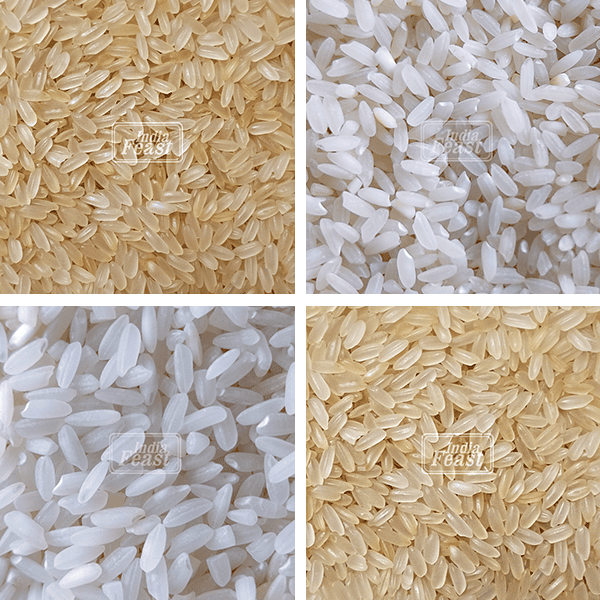
Non Basmati Rice Long Grain Rice Long Grain Parboiled Rice Dark Color Long Grain Parboiled Rice Light Color Long Grain White Rice 25% Broken Long Grain White Rice 5% Broken 100% Broken White Rice 100% Broken Parboiled Rice Long Grain Parboiled Rice 5% Broken Long Grain Brown Rice
Medium Grain Rice Medium Grain White Rice 5% Broken Medium Grain White Rice 25% Broken Medium Grain Parboiled Rice 5% Broken Medium Grain Parboiled Rice 25% Broken Medium Grain Brown Rice
Round Grain Rice Round Grain White Rice Round Grain Parboiled Rice Round Grain Brown Rice
Sona Masoori Rice Sona Masoori Raw Rice Sona Masoori Steam Rice Sona Masoori Sella Rice
PR11 Rice PR11 Golden Sella Rice PR11 Raw Rice PR11 Steam Rice PR11 White Sella Rice PR11 Creamy Sella Rice
Sharbati Rice Sharbati Golden Sella Rice Sharbati Raw Rice Sharbati Steam Rice Sharbati White Sella Rice Sharbati Creamy Sella Rice
Sugandha Rice Sugandha Golden Sella Rice Sugandha Raw Rice Sugandha Steam Rice Sugandha White Sella Rice Sugandha Creamy Sella Rice
Brown Non-Basmati Rice Long Grain Brown Rice Medium Grain Brown Rice Round Grain Brown Rice
Black Rice Premium Black Rice
Diabetic Rice
Our Brands Indiafeast Basmati Rice Sungold Fresh Rice Glory Rice Private Label
Other Products Chickpeas Brown Chickpeas (Kala Chana) White Chickpeas (Kabuli Chana)
Foxnuts (Makhana) Foxnuts Grade L1 Foxnuts Grade L2 Foxnuts Grade L3 Foxnuts Grade L4 Hand Picked Foxnuts
Wheat Indian Wheat
Maize (Corn) Food Grade Yellow Maize Animal Feed Yellow Maize
Spices & Seeds Coriander Seeds Black Sesame Seeds White Sesame Seeds Cumin Seeds (Jeera) Red Chilli (Lal Mirch) Nigella Seeds (Kalonji) Black Pepper (Kali Mirch) Cardamom (Elaichi) Turmeric (Haldi)
Scroll to Top